4 Best Fenwick Elite Inshore Casting Rod Options for Saltwater Anglers (2026)
Compare four casting rods for inshore saltwater fishing, including the fenwick elite inshore casting rod, with specs, pros, cons and a buying guide.
 By Ethan Brooks
Updated November 24, 2026
 By Ethan Brooks
Updated November 2026
Anglers shopping for a fenwick elite inshore casting rod usually want one thing: a rod that handles redfish, snook, trout and flounder without feeling too heavy for a full day on the flats or along a jetty. This guide compares four inshore casting options on the criteria that matter most at the water: action, power rating, length, guide quality, blank construction, and how well each rod pairs with common braided lines and lures in the 1/4 to 1 ounce range. The picks below are based on manufacturer specifications, brand reputation and patterns in owner feedback, not on any testing of our own.
Our top picks at a glance
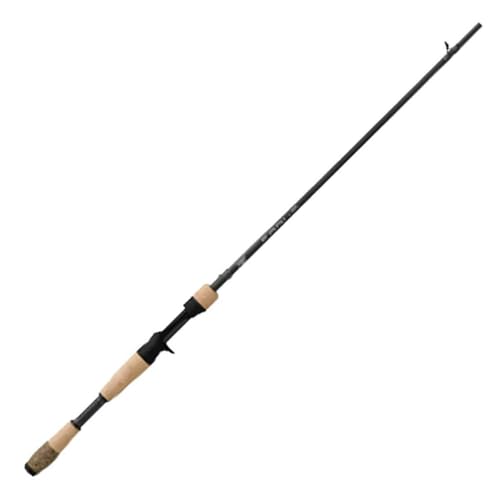
- 1TOP CHOICEBest overallFenwick Eagle Bass Casting Fishing Rod, 7'3", 1pc, Medium Heavy, FastView on Amazon
- 2
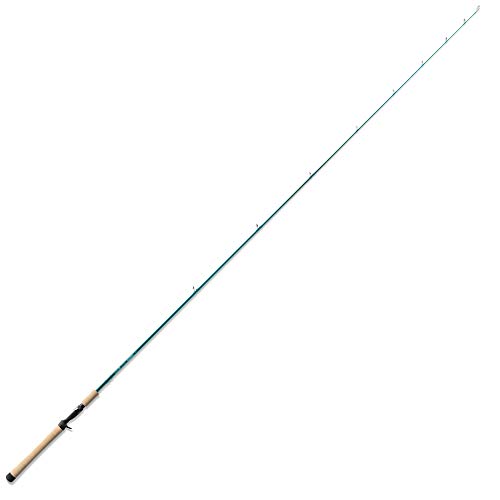 Best for light inshore luresSt. Croix Rods Mojo Inshore Casting RodView on Amazon
- 3
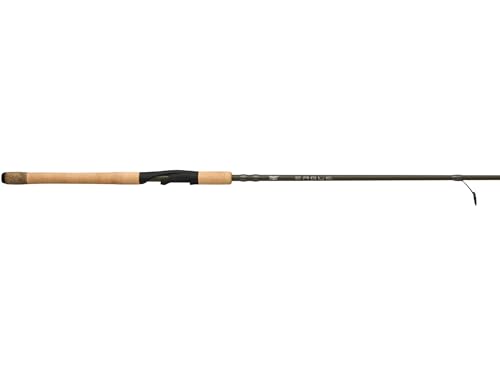 Best for anglers who prefer spinningInshore Spinning Rods by FenwickView on Amazon
- 4
 Best budget pickUgly Stik Elite Casting Fishing RodView on Amazon
Our Top Picks
Quick Comparison
| Product | Best for | Key feature |
|---|---|---|
| Fenwick Eagle Bass Casting Fishing Rod, 7’3″, 1pc, Medium Heavy, Fast | Overall inshore casting with heavier lures | Medium Heavy power with a fast action |
| St. Croix Rods Mojo Inshore Casting Rod | Light inshore lures and soft plastics | Sensitive blank suited to finesse presentations |
| Inshore Spinning Rods by Fenwick | Anglers who prefer a spinning setup | Spinning format for light line and small lures |
| Ugly Stik Elite Casting Fishing Rod | Budget-conscious anglers and newer casters | Durable composite build that tolerates rough handling |
Fenwick Eagle Bass Casting Fishing Rod, 7’3″, 1pc, Medium Heavy, Fast
Fenwick Eagle Bass Casting Fishing Rod, 7'3", 1pc, Medium Heavy, Fast
Best for: Overall inshore casting with heavier lures
This is the most versatile choice for anglers who want one casting rod that covers a wide range of inshore situations, from working bucktails in current to throwing topwater plugs over shallow grass. It suits anglers who fish a mix of structure and open water and want the extra backbone of a Medium Heavy rating.
Key specs
- Length: 7 feet 3 inches
- Pieces: 1-piece construction
- Power: Medium Heavy
- Action: Fast
Pros
- Fast action gives solid hooksets on firm-mouthed fish
- One-piece blank has no ferrule to weaken over time
- Medium Heavy power handles lures up to the upper end of the inshore range
Cons
- The heavier power is more than needed for very light finesse work
- A one-piece rod is harder to transport than a two-piece model
Bottom line: Pick this if you want a single rod that can handle most inshore duties and you are comfortable with a stiffer, faster blank.
View on AmazonSt. Croix Rods Mojo Inshore Casting Rod
St. Croix Rods Mojo Inshore Casting Rod
Best for: Light inshore lures and soft plastics
This rod suits anglers who spend most of their time on light jigs, paddle tails and small plugs, and who value feel over raw power. Owners often report that it transmits strikes well in shallow, clear water where finesse matters.
Key specs
- Designed for inshore casting applications
- Lighter power profile suited to small lures
Pros
- Good sensitivity for detecting light bites
- Well suited to lures in the lighter end of the inshore range
- Manufacturer brand has a long reputation in freshwater and saltwater rods
Cons
- Less backbone for pulling fish out of heavy cover or current
- Not the best match for large bucktails or heavy topwater plugs
Bottom line: A good choice for anglers who prioritize sensitivity and light-lure presentations over brute strength.
View on AmazonInshore Spinning Rods by Fenwick
Inshore Spinning Rods by Fenwick
Best for: Anglers who prefer a spinning setup
If you are more comfortable with a spinning reel, or you fish with lighter line and small lures for redfish and trout, a spinning rod from the same family of inshore designs may fit better than a casting model. It is a natural pick for beginners who find spinning easier to learn.
Key specs
- Spinning format for use with open-faced reels
- Built for inshore saltwater species
Pros
- Easier to learn for newer anglers than baitcasting setups
- Pairs well with light braided lines and small lures
- Fits anglers who fish from kayaks or small boats with limited deck space
Cons
- Less accurate than a casting rod for pinpoint placement near structure
- Line capacity and lure weight range are more limited than a casting setup
Bottom line: Choose this if you want a spinning option for inshore work and plan to use a spinning reel.
View on AmazonUgly Stik Elite Casting Fishing Rod
Ugly Stik Elite Casting Fishing Rod
Best for: Budget-conscious anglers and newer casters
The Ugly Stik name is widely known for rugged, forgiving rods that tolerate bumps on boat decks and rocky shorelines. This model is a sensible pick for anglers who want a durable casting rod without paying for premium graphite construction.
Key specs
- Casting rod format
- Composite construction associated with the Ugly Stik line
Pros
- Durable build that holds up to rough handling
- Forgiving action helps newer anglers develop casting technique
- Budget-friendly option within the Ugly Stik family
Cons
- Heavier and less sensitive than graphite inshore rods
- Less precise for detecting subtle bites in deep or current-heavy water
Bottom line: A practical pick for beginners, family use and anglers who value toughness over sensitivity.
View on AmazonBuying Guide
Power and action
Power describes how much force a rod can handle before bending, while action describes where it bends along the blank. For inshore work, Medium and Medium Heavy power cover most lures from 1/4 to 1 ounce. Fast action gives firmer hooksets and better control over heavier lures, while moderate or slower actions cushion light-tackle strikes. Match the rating to the lightest and heaviest lure you plan to throw most often.
Good picks for this: Fenwick Eagle Bass Casting Fishing Rod, 7’3″, 1pc, Medium Heavy, Fast; St. Croix Rods Mojo Inshore Casting Rod
Rod length
Most inshore casting rods run between 6 and 7.5 feet. Shorter rods give better accuracy in tight spots like docks and mangroves, while longer rods add casting distance and help when you need to lift fish over the gunwale or clear grass. A length around 7 feet is a common compromise for mixed inshore use.
Good picks for this: Fenwick Eagle Bass Casting Fishing Rod, 7’3″, 1pc, Medium Heavy, Fast; Ugly Stik Elite Casting Fishing Rod
Casting versus spinning format
Casting rods pair with baitcasting reels and offer more accuracy and line control once learned. Spinning rods pair with open-faced reels, are easier to learn, and handle very light lines well. Decide which reel style you already own or prefer before you buy, since the rod must match the reel seat and guide layout.
Good picks for this: Inshore Spinning Rods by Fenwick; Fenwick Eagle Bass Casting Fishing Rod, 7’3″, 1pc, Medium Heavy, Fast
Sensitivity and blank material
Graphite blanks are generally lighter and more sensitive than composite blanks, which makes it easier to feel subtle bites and bottom contact. Composites are heavier but more forgiving and more tolerant of abuse. If you fish over grass, oysters or sandy flats where light bites are common, sensitivity matters more.
Good picks for this: St. Croix Rods Mojo Inshore Casting Rod; Ugly Stik Elite Casting Fishing Rod
Guides and reel seat
Look for corrosion-resistant guides, ideally with ceramic or hard-metal inserts, and a reel seat that locks the reel firmly. Saltwater exposes components to salt, so rinse rods with fresh water after each trip and check guide wraps and inserts for chips or cracks.
Good picks for this: Fenwick Eagle Bass Casting Fishing Rod, 7’3″, 1pc, Medium Heavy, Fast; St. Croix Rods Mojo Inshore Casting Rod
Durability and construction
One-piece rods have no ferrule joint, which can be a weak point, but they are harder to pack and transport. Two-piece rods travel better and are easier to store. Consider how you will move the rod to and from the water before choosing a piece count.
Good picks for this: Ugly Stik Elite Casting Fishing Rod; Fenwick Eagle Bass Casting Fishing Rod, 7’3″, 1pc, Medium Heavy, Fast
Line and lure match
Rod power should match your line class and lure weight. Braided line lets you use lighter rods with heavier fish, but the rod still needs enough backbone to set hooks and control fish. Check the manufacturer’s line and lure ratings printed on the blank before you buy.
Good picks for this: Fenwick Eagle Bass Casting Fishing Rod, 7’3″, 1pc, Medium Heavy, Fast; Inshore Spinning Rods by Fenwick
FAQ
What is a good all-around length for an inshore casting rod?
Most anglers find a length between about 6’6″ and 7’3″ works well for mixed inshore fishing. Shorter rods suit tight quarters and longer rods add casting distance.
Is a Medium Heavy rod too stiff for redfish and trout?
Not necessarily. Medium Heavy rods handle larger lures and strong fish well. Anglers who mostly throw light lures may prefer a lighter rating for better feel.
Should beginners choose casting or spinning?
Spinning is usually easier to learn because it avoids backlash. Casting offers more accuracy once you have practiced. Choose the format that matches the reel you plan to use.
Does a one-piece rod perform better than a two-piece rod?
A one-piece blank has no joint, so it often feels smoother and has fewer potential weak points. Two-piece rods are easier to transport and store.
How should I care for a saltwater casting rod?
Rinse the rod and reel with fresh water after every trip, dry them thoroughly, and inspect guides and reel seats regularly. Manufacturers generally recommend keeping rods out of direct sun and off hot vehicle floors.
Can a casting rod handle braided line?
Yes, most inshore casting rods are used with braided line. Check the rod’s line rating, and remember that braid’s thin diameter means you can often go slightly heavier on the rod without overloading the line.
Conclusion
For most inshore anglers, the Fenwick Eagle Bass Casting Fishing Rod, 7’3″, 1pc, Medium Heavy, Fast is the most versatile pick, especially for heavier lures and firm hooksets. Anglers who favor light lures and feel should look at the St. Croix Rods Mojo Inshore Casting Rod. If you prefer spinning, the Inshore Spinning Rods by Fenwick fit that style, and the Ugly Stik Elite Casting Fishing Rod is a durable, budget-minded choice for beginners and rough-use situations. Match the power rating and length to your lures, your reel and where you fish, and check the manufacturer’s specifications before buying.
Sources
- Guidance on recreational saltwater fishing rules, species and fishing regulations along U.S. coasts (noaa.gov)
- Information on fishing access, conservation and responsible angling practices (fws.gov)
- Background on coastal and estuary habitats that shape inshore fish behavior (usgs.gov)
Before you buy: helpful guides
- Fishing Rod for Braided Line: How to Choose the Right Setup (6 Tips)
- Saltwater Bucktail Jig Patterns: 5 Proven Setups for Inshore and Surf
- Seaguar Inshore Fluorocarbon Leader: How to Rig and Choose One for Saltwater
- Lowrance Elite Fs 12 Fish Finder/chartplotter with Totalscan Transducer: A Practical Guide (2026)
Related reading
- Top 6 Best Braided Lines for Inshore Saltwater Fishing (2026)
- Top 5 Braided Lines for Inshore Fishing Picks Compared (2026)
- 7 Best Braided Fishing Line That Sinks for Surf and Inshore (2026)
- 6 Best Saltwater Fishing Rods for Kids: Top Picks for Young Anglers
About Ethan Brooks
Ethan Brooks is part of our editorial team and reviews and edits our saltwater fishing guides, checking product details against manufacturer specifications and owner feedback.
About the author
Ethan Brooks writes reviews and buying guides for Saltwater Fishing.