5 Best Fenwick HMG Inshore Casting Rods for Saltwater Anglers (2026)
Compare the best fenwick hmg inshore casting rod options for saltwater anglers. Our picks cover length, power, action and fit for inshore fishing.
 By Ethan Brooks
Updated November 24, 2026
 By Ethan Brooks
Updated November 2026
Anglers shopping for a fenwick hmg inshore casting rod usually want one thing: a stick that handles redfish, speckled trout and snook without feeling overmatched or overbuilt. This guide compares five Fenwick and St. Croix options based on what the listings state, how each rod is positioned by its maker, and the patterns owners tend to mention in feedback. The criteria we used were rod power and action, length for casting distance, blank construction, handle and reel seat quality, and how well each model suits common inshore lure weights.
Our Top Picks
Our top picks at a glance
- 1TOP CHOICEBest overallHMG Spinning Rods by FenwickView on Amazon
- 2
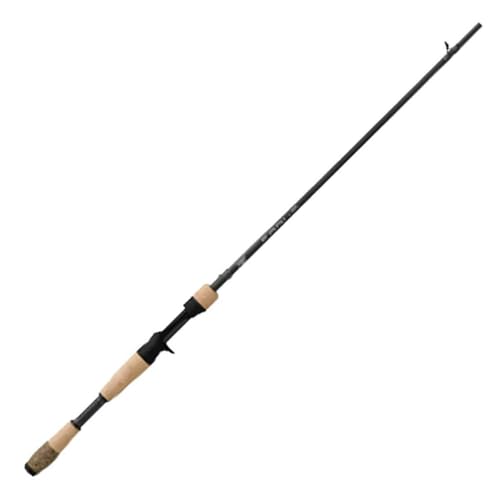 TOP CHOICEBest for heavier inshore luresFenwick Eagle Bass Casting Fishing Rod, 7'3"View on Amazon
- 3
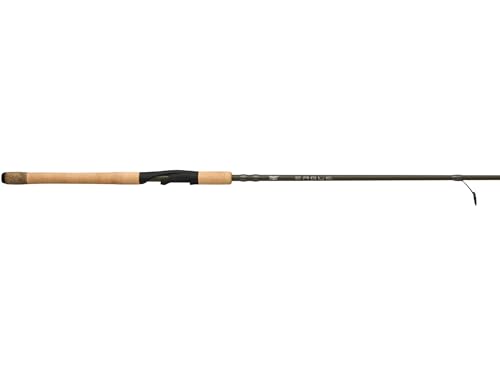 TOP CHOICEBest for light spinning setupsInshore Spinning Rods by FenwickView on Amazon
- 4
 Best budget pickFenwick HMG® Walleye Spinning RodView on Amazon
- 5
 Best for casting-reel anglersSt. Croix Rods Mojo Inshore Casting RodView on Amazon
Our Top Picks
HMG Spinning Rods by Fenwick
HMG Spinning Rods by Fenwick
Best for: Anglers who want one versatile inshore rod for mixed lure weights
This is the most flexible option in the group. It suits anglers who fish a range of artificials, from light jigs in shallow creeks to heavier plugs on the flats, and who prefer a spinning-style setup. The HMG line is positioned by Fenwick as its higher-modulus graphite lineup, aimed at sensitivity without excess weight.
Key specs
- Spinning-style inshore rod from the Fenwick HMG line
- Designed for saltwater inshore species
Pros
- Good balance for a wide range of lure weights
- Lightweight graphite blank suits long days of casting
- Easy to pair with a range of small spinning reels
Cons
- Not the right tool if you primarily fish a baitcasting reel
- Owners who prefer a very stiff tip may find it softer than they want for heavy topwater work
Bottom line: A strong first pick for anglers who want one inshore rod to cover most situations.
View on AmazonFenwick Eagle Bass Casting Fishing Rod, 7’3″
Fenwick Eagle Bass Casting Fishing Rod, 7'3", 1pc, Medium Heavy, Fast
Best for: Heavier inshore lures and anglers casting larger baits
The listing name gives the core specs: a 7-foot-3-inch length, one-piece construction, medium-heavy power and a fast action. Those numbers point to a rod built for heavier lures and longer casts, which is useful when targeting larger fish or working bait in moving water.
Key specs
- Length: 7’3″
- Construction: one-piece (1pc)
- Power: Medium Heavy
- Action: Fast
Pros
- One-piece blank has no ferrule to weaken over time
- Medium-heavy power handles heavier lures well
- Fast action gives quick hooksets
Cons
- A one-piece rod is harder to transport than a two-piece model
- Fast action can feel demanding for anglers who prefer a softer tip
Bottom line: Best for anglers who regularly throw heavier lures and want a rod with no ferrule.
View on AmazonInshore Spinning Rods by Fenwick
Inshore Spinning Rods by Fenwick
Best for: Light spinning setups for shallow-water work
This rod is aimed at the lighter end of the inshore spectrum. Anglers working small jigs, soft plastics and light spoons in skinny water tend to prefer a rod that loads well without overpowering the lure, and that is the niche this model fills.
Key specs
- Spinning-style inshore rod from Fenwick
- Positioned for lighter lure weights than the heavier casting options
Pros
- Suits small lures and light line well
- Good choice for sight fishing in shallow water
- Pairs naturally with compact spinning reels
Cons
- Less backbone for larger fish or heavy structure
- Not ideal if you plan to cast heavy plugs regularly
Bottom line: Pick this if your inshore fishing is mostly light tackle in shallow water.
View on AmazonFenwick HMG® Walleye Spinning Rod
Fenwick HMG® Walleye Spinning Rod
Best for: Budget-conscious anglers who want the HMG feel
This is a freshwater-leaning walleye model from the HMG family. It is included here because some inshore anglers use it for light saltwater work, but it is not designed specifically for saltwater. Buy it only if you understand that trade-off.
Key specs
- HMG graphite construction
- Spinning-style walleye rod
Pros
- Sensitive blank for detecting light bites
- Budget-friendly entry into the HMG line
- Light enough for long sessions
Cons
- Designed for walleye, so it is not a true saltwater inshore rod
- Limited backbone for larger redfish or snook
Bottom line: A reasonable choice for light inshore fishing if you accept it is a freshwater-focused design.
View on AmazonSt. Croix Rods Mojo Inshore Casting Rod
St. Croix Rods Mojo Inshore Casting Rod
Best for: Anglers who prefer a casting reel and dedicated inshore build
The Mojo Inshore is a purpose-built saltwater casting rod from St. Croix, one of the better-known rod makers in the US. It is a logical pick for anglers who already run a baitcasting reel and want a rod built around inshore species rather than a freshwater adaptation.
Key specs
- Casting-reel inshore rod from St. Croix
- Designed for saltwater inshore use
Pros
- Built specifically for inshore saltwater species
- Suits baitcasting reels well
- Maker has a long reputation for rod construction
Cons
- Requires a casting reel, which has a steeper learning curve
- Owners sometimes mention that casting-style rods need more practice to cast accurately
Bottom line: The best fit for anglers committed to casting reels who want a saltwater-specific rod.
View on AmazonQuick Comparison
| Product | Best for | Key feature |
|---|---|---|
| HMG Spinning Rods by Fenwick | One versatile inshore rod | Flexible range of lure weights |
| Fenwick Eagle Bass Casting Fishing Rod, 7’3″ | Heavier inshore lures | One-piece, medium-heavy, fast |
| Inshore Spinning Rods by Fenwick | Light spinning in shallow water | Light-lure loading |
| Fenwick HMG® Walleye Spinning Rod | Budget HMG feel | Sensitive graphite blank |
| St. Croix Rods Mojo Inshore Casting Rod | Casting-reel anglers | Purpose-built saltwater inshore |
Buying Guide
Rod Power and Action
Power describes how much force the blank needs to bend, and action describes where it bends. Medium-heavy power suits heavier lures and bigger fish, while light power suits small jigs in shallow water. Fast action bends mostly in the top third and gives quicker hooksets, while moderate action bends further down and can be easier on light line.
Good picks for this: Fenwick Eagle Bass Casting Fishing Rod, 7’3″; Inshore Spinning Rods by Fenwick
Length and Casting Distance
Longer rods generally cast farther and help keep line off the water, which matters in surf and on grass flats. Rods in the 7-foot range are common for inshore work because they balance casting distance with manageable weight and easy handling in a boat.
Good picks for this: HMG Spinning Rods by Fenwick; Fenwick Eagle Bass Casting Fishing Rod, 7’3″
Blank Construction: One-Piece vs. Two-Piece
One-piece rods have no ferrule joint, which means a more consistent feel and no weak point at the connection. Two-piece rods are easier to store and transport. For most inshore anglers who fish from a small boat or kayak, a two-piece is more convenient, while a one-piece suits anglers who value blank continuity above portability.
Good picks for this: Fenwick Eagle Bass Casting Fishing Rod, 7’3″; St. Croix Rods Mojo Inshore Casting Rod
Reel Type Compatibility
Spinning rods and casting rods are built differently, with different guide placement and handle designs. Check that your rod matches your reel type before buying. A casting rod with a spinning reel, or the reverse, will feel awkward and cause problems with line management.
Good picks for this: HMG Spinning Rods by Fenwick; St. Croix Rods Mojo Inshore Casting Rod
Graphite and Blank Sensitivity
Higher-modulus graphite is lighter and more sensitive, which helps detect subtle bites and feel lure action. It is typically more expensive to produce, so budget options may use lower-grade materials. Sensitivity matters most for light-tackle and finesse presentations.
Good picks for this: HMG Spinning Rods by Fenwick; Fenwick HMG® Walleye Spinning Rod
Target Species and Fish Size
Redfish, snook and trout all fight differently, and larger fish put more load on the blank. If you regularly target bigger fish near structure, a medium-heavy rod gives you the backbone to turn fish away from cover. For smaller speckled trout in open water, a lighter rod is more enjoyable.
Good picks for this: Fenwick Eagle Bass Casting Fishing Rod, 7’3″; Inshore Spinning Rods by Fenwick
Handle, Reel Seat and Durability
Saltwater corrodes hardware, so look for reel seats and guides rated for salt use and rinse your rod after every trip. A comfortable grip matters on long days. Check the warranty terms the maker publishes, and store rods out of direct sun to protect the blank and finish.
Good picks for this: St. Croix Rods Mojo Inshore Casting Rod; HMG Spinning Rods by Fenwick
FAQ
What length is best for an inshore casting rod?
Many inshore anglers use a rod around 7 feet, which balances casting distance and handling. Shorter rods suit tight creeks and boat work, while longer rods help on open flats and in surf.
Is a Fenwick HMG rod suitable for saltwater?
Several HMG-line rods are marketed for inshore use, but some models are designed for freshwater species such as walleye. Check the listing and maker description before buying for saltwater.
What is the difference between a spinning rod and a casting rod?
Spinning rods have guides on the underside and are paired with spinning reels. Casting rods have a trigger-style handle and are paired with baitcasting reels. The two are not interchangeable.
Do I need a one-piece rod for inshore fishing?
No. One-piece rods offer a consistent blank with no ferrule joint, but two-piece rods are easier to transport and store. Choose based on how you fish and how much you travel with your gear.
How should I care for a saltwater rod?
Rinse the rod and reel with fresh water after each trip, dry thoroughly, and store it out of direct sun. Inspect guides and the reel seat regularly for corrosion or damage.
What lure weights pair best with a medium-heavy rod?
Medium-heavy rods generally handle heavier jigs and plugs well. Check the lure weight range printed on your rod’s blank, since manufacturers specify recommended ranges for each model.
Conclusion
For a versatile inshore rod that covers most situations, the HMG Spinning Rods by Fenwick is the most balanced starting point. Anglers who throw heavier lures and want a one-piece blank should look at the Fenwick Eagle Bass Casting Fishing Rod, 7’3″. Light-tackle anglers working shallow water will find the Inshore Spinning Rods by Fenwick better matched to their needs, and the Fenwick HMG® Walleye Spinning Rod suits budget-minded anglers who accept its freshwater focus. If you prefer a casting reel and want a saltwater-specific build, the St. Croix Rods Mojo Inshore Casting Rod is the most direct fit. Always confirm the recommended lure weight and reel type in the listing before you buy.
Sources
- Saltwater recreational fishing rules, regional regulations and species information (noaa.gov)
- Boating safety guidance for anglers fishing from small craft (uscg.mil)
- Fish and wildlife conservation information relevant to inshore species (fws.gov)
Before you buy: helpful guides
Related reading
- Fenwick HMG Inshore Spinning Rod: 5 Best Picks Compared (2026)
- 4 Best Ugly Stik Inshore Casting Rods for Coastal Anglers (2026)
- 4 Best Inshore Casting Rods for Redfish, Trout and Snook (2026)
- Ugly Stik Carbon Inshore Spinning Rod: 3 Best Picks Compared (2026)
About Ethan Brooks
Ethan Brooks is part of our editorial team and reviews and edits our saltwater fishing guides, checking product details against manufacturer specifications and owner feedback.
About the author
Ethan Brooks writes reviews and buying guides for Saltwater Fishing.