3 Best Shimano Inshore Spinning Rods for Saltwater Anglers (2026)
Compare the best shimano inshore spinning rod options for redfish, snook and trout. See specs, pros, cons and buying tips to pick the right 7-foot rod.
 By Ethan Brooks
Updated November 25, 2026
 By Ethan Brooks
Updated November 2026
Anglers looking for a shimano inshore spinning rod usually want one thing: a rod that handles the fish that show up in shallow bays, creeks, flats and near jetties without feeling like overkill or underpowered. The rods below were compared on rod length, power and action ratings stated by the manufacturer, the intended lure and line range, overall build category, and the general patterns owners tend to mention in their feedback. No rod here was field-tested by the writer; the comparison is based on published specifications and reported owner experience.
Our top picks at a glance
- 1TOP CHOICEBest overallShimano Talavera Inshore D, Saltwater, Inshore, Spinning, 7'0", HeavyView on Amazon
- 2
 Best for lighter lures and finesse workShimano GLF, Saltwater, Inshore, Spinning, 7'0", MediumView on Amazon
- 3
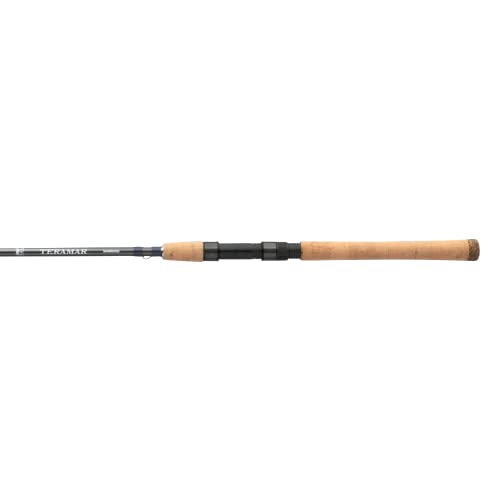 Best budget pickShimano TERAMAR SE, Saltwater, Inshore, Spinning, 7'0", MediumView on Amazon
Our Top Picks
Quick Comparison
| Product | Best for | Key feature |
|---|---|---|
| Shimano Talavera Inshore D | Anglers wanting a heavier inshore rod for bigger reds and snook | Heavy power rating in a 7’0″ spinning blank |
| Shimano GLF | Anglers working soft plastics and light jigs | Medium power for a versatile inshore setup |
| Shimano TERAMAR SE | Anglers wanting a dependable rod without a premium spend | Medium power, 7’0″ length, straightforward build |
Shimano Talavera Inshore D, Saltwater, Inshore, Spinning, 7’0″, Heavy
Shimano Talavera Inshore D, Saltwater, Inshore, Spinning, 7'0", Heavy, 1 pcs, (TESIS70HD) Fishing
Best for: Heavier inshore work and larger fish
This rod suits anglers who regularly fish heavier lures, deeper channels or areas where bigger redfish, snook and sheepshead are common. The heavy power rating points toward a stiffer blank that can turn larger fish away from structure.
Key specs
- Length: 7 feet (7’0″)
- Power: Heavy
- Type: Spinning
- Application: Saltwater inshore
- Pieces: 1
Pros
- Heavy power handles larger inshore species and heavier jigs
- Single-piece build is typically stronger and more sensitive than multi-piece designs
- Spinning format suits a wide range of braid and fluorocarbon setups
Cons
- Stiffer action can feel demanding when casting very light lures
- Overkill for small trout and light finesse fishing
Bottom line: Best for anglers who want one inshore rod that can handle bigger fish and heavier lures without switching gear.
View on AmazonShimano GLF, Saltwater, Inshore, Spinning, 7’0″, Medium
Shimano GLF, Saltwater, Inshore, Spinning, 7'0", Medium, 1 pcs, (GLFS70MB) Fishing
Best for: Lighter lures and finesse work
The medium power rating makes this a practical choice for anglers who fish soft plastics, light jigs and topwater lures across flats and shallow shoreline. It handles a range of species without the stiffness of a heavy rod.
Key specs
- Length: 7 feet (7’0″)
- Power: Medium
- Type: Spinning
- Application: Saltwater inshore
- Pieces: 1
Pros
- Medium power suits a broad mix of inshore species and lure weights
- Good match for light jigs and soft plastics on shallow flats
- Single-piece construction keeps the blank consistent
Cons
- May feel light if you regularly fight large fish near structure
- Less suited to heavy bait or big-bodied lures
Bottom line: A good fit for anglers who mostly work lighter lures and want a rod that stays versatile across inshore conditions.
View on AmazonShimano TERAMAR SE, Saltwater, Inshore, Spinning, 7’0″, Medium
Shimano TERAMAR SE, Saltwater, Inshore, Spinning, 7'0", Medium, 1 pcs, (TERSESX70MB) Fishing
Best for: A dependable everyday inshore rod on a budget
This is a straightforward medium-power inshore spinning rod for anglers who want a capable, no-frills option for general inshore fishing. Owners often describe it as an easy rod to start with when building a saltwater setup.
Key specs
- Length: 7 feet (7’0″)
- Power: Medium
- Type: Spinning
- Application: Saltwater inshore
- Pieces: 1
Pros
- Budget-friendly entry point for inshore saltwater fishing
- Medium power covers most common inshore species and lure sizes
- Simple, durable-feeling build suited to regular use
Cons
- Fewer premium features than higher-end Shimano models
- Not the best choice for heavy-duty fishing around heavy cover
Bottom line: Best for anglers who want a reliable Shimano inshore rod for everyday use without stepping up to a higher-tier model.
View on AmazonBuying Guide
Rod Power and Action
Power describes how much force a rod needs to bend. Light and medium-light rods suit small trout and light jigs, medium suits most inshore work, and heavy handles bigger reds, snook and heavier lures. Action describes where the rod bends; fast-action tips offer better hooksets, while moderate actions cushion runs. Check the manufacturer’s stated lure weight range before buying.
Good picks for this: Shimano GLF, Shimano Talavera Inshore D
Rod Length
Seven-foot rods are the most common inshore length. They offer enough reach for casting over oyster bars and grass beds while remaining manageable in a small boat or from a kayak. Shorter rods help in tight quarters; longer rods add casting distance from shore.
Good picks for this: Shimano TERAMAR SE, Shimano GLF
Lure and Line Compatibility
Match the rod to the lures you actually throw. Look for the recommended lure weight and line test range printed on the blank or in the specifications. Braid in the stated range is usually a safe pairing, and a leader of fluorocarbon can be added separately.
Good picks for this: Shimano Talavera Inshore D, Shimano GLF
Target Species and Fishing Environment
Fish around grass flats and shallow creeks with lighter rods that can cast small lures accurately. Fish near jetties, oyster bars and deeper channels with heavier rods that can turn fish away from cover. Choosing by environment rather than rod length alone usually leads to better results.
Good picks for this: Shimano GLF, Shimano Talavera Inshore D
Build and Durability
Saltwater is hard on gear. Look for corrosion-resistant reel seats and guides, and check whether the rod is single-piece or multi-piece. Single-piece blanks generally have fewer weak points at joints, while multi-piece rods are easier to transport.
Good picks for this: Shimano TERAMAR SE, Shimano Talavera Inshore D
Sensitivity and Feel
Sensitivity matters most when working soft plastics and light jigs, where you need to feel bottom contact and light bites. Graphite blanks tend to transmit more feel than heavier composite blanks, though specifics vary by model.
Good picks for this: Shimano GLF, Shimano Talavera Inshore D
Care and Maintenance
Rinse rods with fresh water after every saltwater trip, especially around the reel seat and guides. Store rods out of direct sun and avoid leaving them in a hot vehicle. Check guides for cracks or loose wraps before each season.
Good picks for this: Shimano TERAMAR SE, Shimano GLF
FAQ
What is the best shimano inshore spinning rod for beginners?
A medium-power 7-foot rod is usually the easiest starting point because it handles a wide range of lures and species. The Shimano TERAMAR SE is a practical choice if budget is a concern.
Is a 7-foot rod good for inshore fishing?
Yes. Seven feet is a common inshore length that balances casting reach with manageability in boats, kayaks and on shorelines.
What power rating should I choose?
Medium suits most inshore fishing. Choose heavy if you regularly target larger reds, snook or heavier jigs, and light or medium-light if you focus on small trout and finesse presentations.
Can I use braided line on an inshore spinning rod?
Yes, as long as the line weight falls within the rod’s stated line range. Many anglers pair braid with a fluorocarbon leader to reduce visibility. For setup details, see Fishing Rod for Braided Line: How to Choose the Right Setup (6 Tips).
How do I keep a saltwater rod in good condition?
Rinse it with fresh water after each trip, dry it thoroughly, and store it out of direct sunlight. Inspect guides and wraps regularly.
Should I pair my rod with a spinning reel or conventional reel?
For most inshore spinning rods, a spinning reel is the intended pairing. For a comparison of reel types, see Conventional vs Spinning Reel Saltwater: Which Should You Choose? (2026).
Do I need a fluorocarbon leader with this setup?
Many inshore anglers add one, especially in clear water where fish are leader-shy. For rigging guidance, see Fluorocarbon Leader for Spinning: How to Rig One Step by Step (2026).
Conclusion
For heavier inshore work and bigger fish, the Shimano Talavera Inshore D is the most capable option here. For lighter lures and finesse fishing across flats, the Shimano GLF offers versatility. If you want a dependable, budget-conscious rod for general inshore fishing, the Shimano TERAMAR SE is a sensible pick. Match the power rating to the species and lures you use most, and the right shimano inshore spinning rod will follow from there.
Sources
- Marine conditions, fish species information and saltwater regulations for coastal anglers (noaa.gov)
- Florida inshore species guidance, size limits and fishing regulations
- Boating safety standards and on-water safety guidance (uscg.mil)
Before you buy: helpful guides
- St Croix Avid Inshore Spinning Rod: Buyer's Guide and Setup Tips (2026)
- Mojo Inshore Spinning Rod: How to Choose and Rig the Right Setup
- St Croix Inshore Spinning Rod: How to Choose the Right One (Step by Step)
- Phenix M1 Inshore Casting Rod: Setup, Rigging and Buying Guide (2026)
- Ugly Stik Carbon Inshore Casting Rod: How to Choose and Rig One (2026)
About Ethan Brooks
Ethan Brooks is part of our editorial team and reviews and edits our saltwater fishing guides, checking product details against manufacturer specifications and owner feedback.
About the author
Ethan Brooks writes reviews and buying guides for Saltwater Fishing.