7 Best Conventional Reels with Magnetic Brake System for Saltwater Anglers (2026)
Compare 7 conventional reels with a magnetic brake system for saltwater fishing. See gear ratios, drag specs and pros and cons to find your match.
 By Caleb Morgan
Updated November 22, 2026
 By Caleb Morgan
Updated November 2026
Choosing a conventional reel with magnetic brake system comes down to how much control you want over spool speed, how you fish, and how much drag and gearing you need. This list compares seven models on brake adjustability, gear ratio, drag rating, frame material and the trade-offs owners commonly mention, so you can match a reel to your target species and technique.
Our top picks at a glance
- 1TOP CHOICEBest overallPiscifun Chaos Pro CNC Baitcasting ReelView on Amazon
- 2
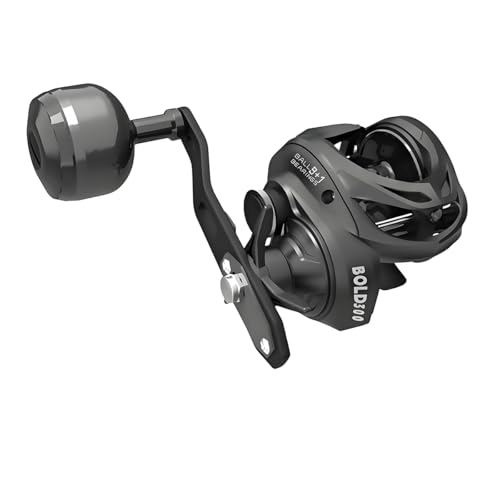 TOP CHOICEBest for budget spendingBaitcaster Reel Carbon Fiber 9+1 Ball Bearings Anti-Corrosion Baitcasting Fishing ReelView on Amazon
- 3
 TOP CHOICEBest for lightweight castingKastKing Spartacus II Baitcasting ReelsView on Amazon
- 4
 Best for compact profileLow Profile Baitcaster Reel Magnetic Brake SystemView on Amazon
- 5
 Best for high-speed retrievesBaitcaster Reels 6.4:1 High-Speed Gear Ratio 33LB Max Drag 8+1 BearingsView on Amazon
- 6
 Best for brake feedbackBILLINGS Round Baitcasting Reel,Digital Control System Anti Rebound |View on Amazon
- 7
 Best for color and ergonomicsTRUSCEND Premium Fishing Reel, Exceptional Durability, Magnetic BrakeView on Amazon
Our Top Picks
| Product | Best for | Key feature |
|---|---|---|
| Piscifun Chaos Pro CNC Baitcasting Reel | Overall use | 25LB drag, aluminum body |
| Baitcaster Reel Carbon Fiber 9+1 Ball Bearings | Budget spending | Carbon fiber, 9+1 bearings |
| KastKing Spartacus II Baitcasting Reels | Lightweight casting | 17.6 lb max drag, 6 oz |
| Low Profile Baitcaster Reel Magnetic Brake System | Compact profile | 7.2:1 gear ratio, metal body |
| Baitcaster Reels 6.4:1 High-Speed Gear Ratio | High-speed retrieves | 33LB max drag, 8+1 bearings |
| BILLINGS Round Baitcasting Reel | Brake feedback | Digital brake with acoustic feedback |
| TRUSCEND Premium Fishing Reel | Color and ergonomics | Ergonomic handle, stainless bearings |
Piscifun Chaos Pro CNC Baitcasting Reel
Piscifun Chaos Pro CNC Baitcasting Reel, Black Right Hand | 25LB drag, magnetic brake, aluminum body, bait clicker, level wind, 6+1 bearings
Best for: Overall use across inshore and light offshore species
This model suits anglers who want a full-featured reel with a generous drag rating and a sturdy aluminum body. Its magnetic brake is adjustable, and owners often report smooth casting once the brake is dialed in.
Pros
- 25LB drag rating
- Aluminum body with CNC finish
Cons
- Heavier than ultralight models
Baitcaster Reel Carbon Fiber 9+1 Ball Bearings Anti-Corrosion Baitcasting Fishing Reel
Baitcaster Reel Carbon Fiber 9+1 Ball Bearings Anti-Corrosion Baitcasting Fishing Reel Magnetic Brake System Bait Caster Reel High Speed Gear Ratio 6.3:1 Ultra Smooth(Right Hand)
Best for: Budget spending without giving up bearing count
Anglers looking for a capable entry-level reel with a high bearing count will find this one a reasonable fit. Its carbon fiber build and anti-corrosion finish target saltwater use.
Pros
- 9+1 ball bearings
- Carbon fiber construction
Cons
- Brake tuning takes some patience
KastKing Spartacus II Baitcasting Reels
Max Drag: 17.6 lb, 7+1 BB, 6 oz, Graphite Frame, 5-Button Magnetic Brake, Ultralight and Super Smooth KastKing Spartacus II Baitcasting Fishing Reels with 7.2:1 Gear Ratio
Best for: Lightweight casting for longer sessions
This graphite-framed reel is aimed at anglers who fish for hours and want to limit fatigue. Its five-button magnetic brake gives a fine level of adjustment.
Pros
- Light at 6 oz
- Five-button magnetic brake
Cons
- Graphite frame is less rigid than metal
Low Profile Baitcaster Reel Magnetic Brake System
Low Profile Baitcaster Reel Magnetic Brake System(blue L) | 7.2:1 gear ratio, 8kg drag, metal body, anti-backlash, smooth casting
Best for: Compact profile for smaller hands
A low-profile body sits more comfortably in the palm and suits anglers with smaller hands or those working from tight deck spaces.
Pros
- 7.2:1 gear ratio
- Metal body
Cons
- Lower drag rating than heavier models
Baitcaster Reels 6.4:1 High-Speed Gear Ratio 33LB Max Drag 8+1 Bearings
Baitcaster Reels 6.4:1 High-Speed Gear Ratio 33LB Max Drag 8+1 Bearings | Fishing Reel Aviation-Aluminium Spool Aluminum star-shaped trailer and handle arm Magnetic Brake System
Best for: High-speed retrieves for fast-moving lures
The 6.4:1 gear ratio and 33 lb max drag make this a sensible choice for anglers working topwater or fast-retrieved lures on bigger fish.
Pros
- 33LB max drag
- Aluminum spool
Cons
- Higher gear ratio can reduce cranking torque
Buying Guide
Brake Type and Adjustability
A magnetic brake uses magnets to slow the spool, and most models let you dial the setting up or down. Look for a range of settings that covers both light lures and heavier saltwater rigs, since a brake that is too strong can make casting feel sluggish while one that is too weak invites backlash.
Some reels add extra controls, such as a button-based selector or a digital readout. Consider how easily you can change the setting on the water without stopping your cast.
Gear Ratio
Gear ratio tells you how many times the spool turns per crank of the handle. Higher ratios retrieve line faster, which suits topwater lures, fast-moving baits and quick line pickup. Lower ratios give more cranking power, which helps when working heavier lures or fighting larger fish.
For saltwater use, match the ratio to the species and the lures you throw most often rather than choosing based on the highest number alone.
Drag Rating and Line Capacity
Maximum drag is the force the reel can apply before line starts to slip off the spool. Saltwater species that make long runs or pull hard benefit from a stronger, smoother drag system. Check that the rated drag and line capacity fit the fish you expect to catch, and leave some margin for surprises.
Frame Material and Corrosion Resistance
Frame materials range from graphite and aluminum to metal bodies, and each affects weight, rigidity and durability. Because saltwater is harsh on gear, pay attention to any anti-corrosion features and how easy the reel is to rinse and maintain after each trip. A lighter frame reduces fatigue on long days, while a sturdier body can hold up better to hard use.
FAQ
Do magnetic brakes work well in saltwater?
Magnetic brakes are generally reliable in saltwater as long as the reel is rinsed and maintained after use. Salt and sand can build up on moving parts, so periodic cleaning and light lubrication help keep the brake system working as intended. Treat the reel as a saltwater tool and it will perform more consistently.
Is a higher gear ratio always better?
A higher gear ratio is not always better because it depends on your fishing style. Higher ratios bring line in quickly but offer less cranking power for heavy lures or large fish. Choose a ratio that matches the species and techniques you use most.
How do I stop backlash when I cast?
Backlash usually happens when the spool turns faster than the lure travels, so increasing the brake setting helps control it. Start with a higher setting and gradually reduce it as your casting improves. Practicing with lighter lures in an open area can also build good casting habits.
What line weight should I use with these reels?
Line weight should match the reel’s rated line capacity and the drag strength you need for your target species. Braided line is popular for saltwater because it offers strong pound test in a thin diameter. Always check the spool label or manufacturer guidance before spooling up.
Are these reels suitable for beginners?
Many conventional reels with magnetic brakes are approachable for beginners, especially those with adjustable brake settings. Beginners may find it easier to start with a moderate brake setting and adjust as they learn. Keeping the reel clean and practicing regularly will help new anglers get comfortable faster.
Conclusion
Anglers who want simple, adjustable control for lighter saltwater lures and general inshore fishing will find several of these models a good fit. Those targeting larger, harder-pulling species or heavier rigs should prioritize higher drag ratings and sturdier frames.
Match your gear ratio, drag strength and frame material to the fish and techniques you use most, and you will be able to narrow the list to the reel that suits your fishing best.
Related reading
- What Size Conventional Reel for Trolling: A Practical Guide (2026)
- What Is a Conventional Reel Used For? Uses in Saltwater Fishing
- Top 3 Conventional Reels with Line Guide Picks for Saltwater Anglers
- The Lightest Conventional Reel: What Makes One Light and Which Ones to Consider
About Caleb Morgan
Caleb Morgan is part of our editorial team and reviews and edits our saltwater fishing guides, checking product details against manufacturer specifications and owner feedback.
About the author
Caleb Morgan writes reviews and buying guides for Saltwater Fishing.