5 Best Conventional Reels for Yellowtail: Picks Compared (2026)
Looking for the best conventional reel for yellowtail? Compare five reels on drag, gear ratio, durability and saltwater build to find the right match.
 By Caleb Morgan
Updated November 23, 2026
 By Caleb Morgan
Updated November 2026
Choosing the best conventional reel for yellowtail comes down to matching a reel’s drag power, line capacity and saltwater durability to the fish. Yellowtail are strong, fast runners that often sound off on the first few runs, and they tend to dive for structure, so you need a reel that can hold steady under heavy pressure without overheating or corroding. This guide compares five conventional reels against the criteria that matter most for yellowtail: smooth, strong drag; enough line capacity for long runs; a sealed or saltwater-ready build; gear ratio that lets you recover line quickly; and a frame and spool that hold up to repeated rinsing and sun.
Our top picks at a glance
- 1TOP CHOICEBest overallDaiwa Saltist Star Drag Conventional ReelView on Amazon
- 2
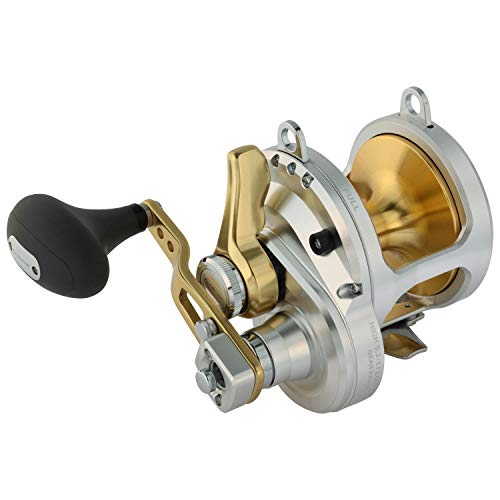 TOP CHOICEBest for heavy-duty runsShimano Talica 2 Speed Lever Drag Reel – TACII8View on Amazon
- 3
 TOP CHOICEBest for budget-minded anglersCAMEKOON Savage Jaws Conventional Lever Drag Fishing Reel, 6.3:1 GearView on Amazon
- 4
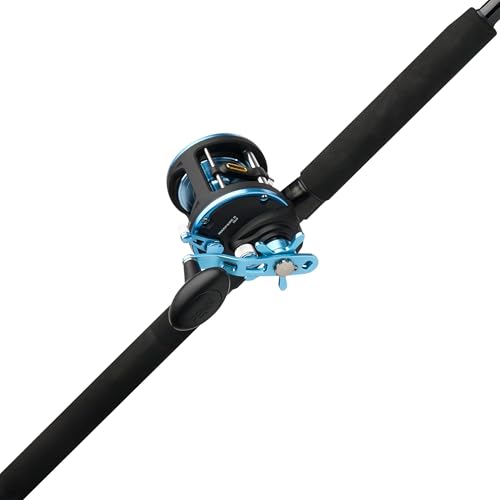 Best for rod-and-reel packagesPenn 6'6" Warfare Level Wind Fishing Rod and Reel Conventional Combo,View on Amazon
- 5
 Best for classic saltwater buildsDaiwa Seagate Conventional ReelView on Amazon
Our Top Picks
Quick Comparison
| Product | Best for | Key feature |
|---|---|---|
| Daiwa Saltist Star Drag Conventional Reel | Overall yellowtail fishing | Star drag with saltwater-oriented construction |
| Daiwa Seagate Conventional Reel | Classic saltwater use | Long-standing Seagate platform with a simple, dependable design |
| Penn 6’6″ Warfare Level Wind Fishing Rod and Reel Conventional Combo | Anglers wanting a matched outfit | Rod and reel balanced as a single setup |
| Shimano Talica 2 Speed Lever Drag Reel | Heavy-duty, deep-water runs | Two-speed gearing for fast retrieves and power |
| CAMEKOON Savage Jaws Conventional Lever Drag Fishing Reel | Budget-conscious buyers | High gear ratio with braid-ready spool |
Daiwa Saltist Star Drag Conventional Reel
Daiwa Saltist Star Drag Conventional Reel
Daiwa Saltist Star Drag Conventional Reel
Best for: Overall yellowtail fishing with a smooth, adjustable star drag
This is a strong all-round choice for anglers who fish yellowtail from a boat or headboat and want a reel that handles both long runs and quick recoveries. It suits people who value a consistent, adjustable drag more than novelty features.
Key specs
- Star drag system
- Saltwater-oriented construction
- Conventional (overhead) reel format
Pros
- Adjustable star drag suits varied fish sizes
- Saltwater-oriented build reduces corrosion concerns
- Straightforward setup for new conventional users
Cons
- Less line capacity than heavier offshore reels
- May need regular rinsing and lubrication in salt spray
Bottom line: A good first pick for anglers who want one reel that covers most yellowtail situations without overbuilding.
View on Amazon
Daiwa Seagate Conventional Reel
Daiwa Seagate Conventional Reel
Daiwa Seagate Conventional Reel
Best for: Classic saltwater use with a proven, simple design
The Seagate line has a long history in saltwater fishing. It appeals to anglers who prefer a traditional reel with familiar controls and who fish a mix of species, yellowtail included.
Key specs
- Conventional reel format
- Traditional drag and gear arrangement
Pros
- Simple, familiar operation
- Well-documented design that many anglers know
- Suitable for mixed saltwater species
Cons
- Owners often report needing careful maintenance in heavy salt use
- May lack the power of heavier two-speed offshore reels
Bottom line: Best for anglers who want a dependable, traditional reel and don’t need maximum power for big yellowtail.
View on Amazon
Penn 6'6" Warfare Level Wind Fishing Rod and Reel Conventional Combo, 1-Piece Tubular Fiberglass Fishing Rod with 30 Reel, Durable, Break Resistant and Lightweight
Penn 6'6" Warfare Level Wind Fishing Rod and Reel Conventional Combo, 1-Piece Tubular Fiberglass Fishing Rod with 30 Reel, Durable, Break Resistant and Lightweight
Penn 6’6″ Warfare Level Wind Fishing Rod and Reel Conventional Combo
Best for: Anglers wanting a matched rod and reel in one purchase
A combo is useful for newer anglers or for those setting up a second rig. The one-piece fiberglass rod pairs with a level-wind reel designed for the same fishing style.
Key specs
- 6’6″ length
- One-piece tubular fiberglass rod
- Level-wind conventional reel
Pros
- Matched rod and reel reduces guesswork
- Fiberglass blank is durable and break resistant
- Level wind helps lay line evenly
Cons
- Fiberglass rods are heavier and less sensitive than graphite
- A combo may not match the power of premium standalone reels
Bottom line: A practical choice for beginners or anglers building a complete outfit for yellowtail on a budget.
View on Amazon
Shimano Talica 2 Speed Lever Drag Reel – TACII8
Shimano Talica 2 Speed Lever Drag Reel – TACII8
Shimano Talica 2 Speed Lever Drag Reel – TACII8
Best for: Heavy-duty runs and deep-water yellowtail
Two-speed reels are designed for anglers who need to recover line quickly and still have leverage when a fish is deep and pulling hard. This model suits offshore and drift-boat anglers.
Key specs
- Two-speed gearing
- Lever drag system
- Heavy-duty conventional format
Pros
- Two-speed gearing aids both retrieve and power
- Lever drag offers quick, firm adjustment
- Built for demanding offshore conditions
Cons
- Heavier than single-speed options
- Typically requires a stronger rod and more skill to balance
Bottom line: Pick this if you fish deep structure for big yellowtail and want maximum control.
View on Amazon
CAMEKOON Savage Jaws Conventional Lever Drag Fishing Reel, 6.3:1 Gear Ratio, 9+2 Bearings, Carbon Fiber Drag, Stainless Steel Main Shaft & Gear, One-Piece Aluminum Frame and Braid-Ready Spool
CAMEKOON Savage Jaws Conventional Lever Drag Fishing Reel, 6.3:1 Gear Ratio, 9+2 Bearings, Carbon Fiber Drag, Stainless Steel Main Shaft & Gear, One-Piece Aluminum Frame and Braid-Ready Spool
CAMEKOON Savage Jaws Conventional Lever Drag Fishing Reel
Best for: Budget-minded anglers who want a high gear ratio
This reel suits anglers who want a lever drag, a high gear ratio and a braid-ready spool without paying for a premium brand. It works well for nearshore yellowtail and as a backup reel.
Key specs
- 6.3:1 gear ratio
- Lever drag with carbon fiber drag washers
- One-piece aluminum frame
- Braid-ready spool
Pros
- High gear ratio recovers line quickly
- Carbon fiber drag is a useful feature at this level
- Braid-ready spool suits modern line choices
Cons
- Brand track record is less established than major names
- Owners often recommend checking drag smoothness before heavy use
Bottom line: A sensible budget option for nearshore yellowtail, especially if you plan to spool with braid.
View on AmazonBuying Guide
Drag Power and Smoothness
Yellowtail make hard, sustained runs, so drag matters more than almost any other spec. Look for a drag that is smooth from light to heavy pressure, not just one that is strong at the top end. A jerky drag can snap line or pull a hook. Set drag at roughly one-third of your line’s breaking strength as a starting point, then adjust during the fight.
Good picks for this: Daiwa Saltist Star Drag Conventional Reel, Shimano Talica 2 Speed Lever Drag Reel
Line Capacity
Check how much line the spool holds at the line weight you plan to use. Yellowtail can run 100 yards or more, so a spool that is too small will leave you with little margin. Braid lets you fit more line on a given spool, but you still need enough backing to handle long runs.
Good picks for this: Shimano Talica 2 Speed Lever Drag Reel, Daiwa Seagate Conventional Reel
Gear Ratio
A higher gear ratio retrieves more line per crank, which helps when you need to pull a fish away from structure. Ratios around 5:1 to 6.3:1 are common among conventional reels. Higher ratios trade some cranking power for speed, so choose based on whether you fish shallow or deep.
Good picks for this: CAMEKOON Savage Jaws Conventional Lever Drag Fishing Reel, Shimano Talica 2 Speed Lever Drag Reel
Saltwater Construction and Corrosion Resistance
Yellowtail are caught in salt spray and often near reefs or open water. Look for reels described as saltwater-ready, with sealed components or corrosion-resistant metals. Rinse the reel with fresh water after every trip and lubricate moving parts as the manufacturer recommends. Owners often report that neglect causes more trouble than the reel itself.
Good picks for this: Daiwa Saltist Star Drag Conventional Reel, Daiwa Seagate Conventional Reel
Frame and Spool Durability
A one-piece frame is generally stiffer and less prone to flex under load than a multi-piece design. Check that the spool is securely mounted and that the handle and crank feel solid. Heavy yellowtail fishing puts stress on the whole reel, so durability is a real consideration.
Good picks for this: CAMEKOON Savage Jaws Conventional Lever Drag Fishing Reel, Penn 6’6″ Warfare Level Wind Fishing Rod and Reel Conventional Combo
Matching the Reel to Your Rod
A reel should suit the rod’s line rating and action. Mismatched gear can make a fight harder than it needs to be. If you buy a standalone reel, check the rod’s recommended line weight and lure or bait range before purchase. A combo removes this guesswork, though it may not offer the best component quality.
Good picks for this: Penn 6’6″ Warfare Level Wind Fishing Rod and Reel Conventional Combo, Daiwa Saltist Star Drag Conventional Reel
Care and Maintenance
Rinse after each trip, dry thoroughly and inspect the drag washers periodically. Replace worn parts before a trip rather than during one. Following the manufacturer’s maintenance schedule extends a reel’s useful life considerably.
Good picks for this: Daiwa Seagate Conventional Reel, Daiwa Saltist Star Drag Conventional Reel
FAQ
What is the best conventional reel for yellowtail?
There is no single answer for every angler. For most yellowtail situations, a reel with a smooth star or lever drag, a saltwater-ready build and enough line capacity is the right starting point. The Daiwa Saltist Star Drag is a versatile choice, while the Shimano Talica suits heavier, deep-water work.
How much line should I put on a yellowtail reel?
Fill the spool to within about an eighth of an inch of the lip, using enough line to handle long runs. Many anglers use braid as backing with a leader attached. Check the manufacturer’s recommended line capacity for your chosen line weight.
Do I need a two-speed reel for yellowtail?
Not always. Two-speed reels are helpful when fishing deep and needing to recover line quickly while retaining power. For shallower, nearshore fishing a single-speed reel with a good gear ratio is often enough.
What drag setting should I use?
A common starting point is about one-third of the line’s breaking strength, then adjust as the fish runs. Make small changes and keep the drag smooth. Consult your reel and line manufacturers for specific guidance.
How do I care for a conventional reel in saltwater?
Rinse the reel in fresh water after each outing, dry it, and lubricate moving parts as the manufacturer recommends. Store it in a dry place away from direct sun. If you notice grinding, stiffness or uneven drag, have the reel inspected.
Is a combo good enough for yellowtail?
A combo is a practical choice for beginners and for building a second outfit. It may not match the component quality or power of a premium standalone reel, so consider your fishing conditions and experience level when choosing.
Conclusion
For most anglers, the Daiwa Saltist Star Drag Conventional Reel offers a balanced mix of drag control and saltwater practicality. Anglers fishing deep structure for large yellowtail may prefer the Shimano Talica 2 Speed Lever Drag Reel for its two-speed power. The CAMEKOON Savage Jaws suits budget-minded nearshore fishing, the Penn 6’6″ combo helps beginners build a complete outfit, and the Daiwa Seagate suits anglers who want a traditional, dependable reel. Match the reel to your fishing depth, line choice and experience, and maintain it well after every trip.
Sources
- Marine fishing regulations, species information and safety guidance for saltwater anglers (noaa.gov)
- Fisheries management and recreational catch information relevant to yellowtail (fisheries.noaa.gov)
- Boating safety guidance for offshore and nearshore fishing trips (uscg.mil)
Related reading
- Top 3 Conventional Reels with Line Guide Picks for Saltwater Anglers
- Spinning or Conventional Reel for Surf Fishing: 5 Best Picks (2026)
- Setting Drag on Conventional Reel: 5 Best Picks Compared (2026)
- Penn Fathom II Star Drag Conventional Reel: 5 Best Picks Compared (2026)
- Penn Conventional Reel Size Chart: 6 Best Penn Reels Compared (2026)
- Left Hand Retrieve Conventional Reel: 5 Best Picks Compared (2026)
- 7 Best Surf Fishing Conventional Reels for Beach Anglers (2026)
About Caleb Morgan
Caleb Morgan is part of our editorial team and reviews and edits our saltwater fishing guides, checking product details against manufacturer specifications and owner feedback.
About the author
Caleb Morgan writes reviews and buying guides for Saltwater Fishing.