Top 6 Fenwick Inshore Spinning Rods Compared for Saltwater Anglers
Compare six Fenwick inshore spinning rod options by power, action, line rating and fit, so you can pick the right saltwater rod for your fishing style.
 By Ethan Brooks
Updated November 25, 2026
 By Ethan Brooks
Updated November 2026
Choosing a fenwick inshore spinning rod comes down to matching the rod to the water you fish, the lures you throw and the size of fish you expect to hook. This guide compares six Fenwick spinning rods across the lineup, using the criteria that matter most on inshore flats, bays, jetties and tidal creeks: power rating, action, line and lure weight ratings, length, piece count and how well each model suits saltwater use. Everything here comes from manufacturer-stated specifications and general owner feedback patterns, not from hands-on testing.
Note: The short Amazon listing names below are used as published. Confirm the exact model, rating and piece count on the product page before you buy.
Our top picks at a glance
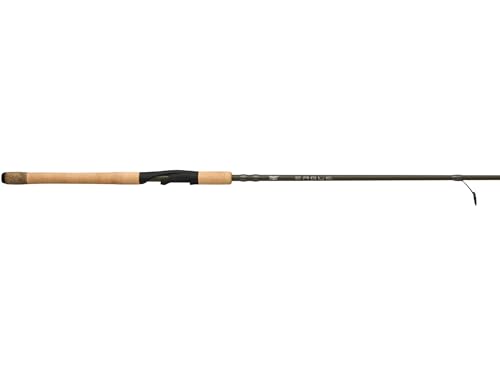
- 1TOP CHOICEBest overallInshore Spinning Rods by FenwickView on Amazon
- 2
 TOP CHOICEBest for light inshore workFenwick Eagle Bass Spinning Fishing Rod, 7'1", 1pcView on Amazon
- 3
 TOP CHOICEBest for lure versatilityUgly Stik 7'6" Carbon Inshore Spinning RodView on Amazon
- 4
 Best for sensitive bitesHMG Spinning Rods by FenwickView on Amazon
- 5
 Best for travelFenwick Eagle Trout/Panfish Spinning Travel Fishing Rod, 6'6", 3pcView on Amazon
- 6
 Best budget-minded pickFenwick Eagle Walleye Spinning Fishing Rod, 6'6", 2pcView on Amazon
Our Top Picks
Quick Comparison
| Product | Best for | Key feature |
|---|---|---|
| Inshore Spinning Rods by Fenwick | General inshore fishing | Inshore-focused build |
| Fenwick Eagle Bass Spinning Fishing Rod, 7’1″, 1pc | Light to medium inshore lures | Extra fast action, one-piece blank |
| Fenwick Eagle Walleye Spinning Fishing Rod, 6’6″, 2pc | Light lure work from shore | Fast action, two-piece design |
| Ugly Stik 7’6″ Carbon Inshore Spinning Rod | Varied lure weights | 1/4 to 1 oz lure rating |
| HMG Spinning Rods by Fenwick | Detecting light bites | Sensitive blank construction |
| Fenwick Eagle Trout/Panfish Spinning Travel Fishing Rod, 6’6″, 3pc | Travel and light panfish | Three-piece packable design |
Inshore Spinning Rods by Fenwick
Inshore Spinning Rods by Fenwick
Best for: General inshore fishing across mixed species and lure types
This is the most general-purpose option in the group. It suits anglers who want one inshore spinning rod that handles a range of lures and common species such as redfish, speckled trout and flounder without specializing too narrowly.
Key specs
- Designed specifically for inshore saltwater use
- Spinning reel format
Pros
- Built for the inshore environment rather than freshwater
- Good starting point for a mixed-species inshore setup
- Pairs easily with common braided and fluorocarbon line setups
Cons
- Exact power and action should be confirmed on the listing before buying
- Less specialized than a rod built around one lure weight
Bottom line: A sensible first choice for anglers who want one Fenwick inshore spinning rod covering the most common saltwater targets.
View on AmazonFenwick Eagle Bass Spinning Fishing Rod, 7’1″, 1pc
Fenwick Eagle Bass Spinning Fishing Rod, 7'1", 1pc, 8-14 lb, Extra Fast
Best for: Light to medium inshore lures with a fast, sensitive tip
A 7-foot-1-inch one-piece rod suits anglers who fish from a boat or wade and want a long, sensitive blank for working soft plastics and light jigs over grass flats and oyster edges.
Key specs
- Length: 7 feet 1 inch
- Pieces: 1-piece
- Line rating: 8 to 14 lb (per listing)
- Action: Extra fast
Pros
- One-piece blank generally offers a more even, sensitive feel
- Extra fast action helps with quick hooksets
- Long length adds casting distance
Cons
- One-piece length is harder to transport than multi-piece rods
- Extra fast action can be less forgiving with light, lively fish
Bottom line: A good pick for anglers who prioritize feel and casting distance over portability.
View on AmazonFenwick Eagle Walleye Spinning Fishing Rod, 6’6″, 2pc
Fenwick Eagle Walleye Spinning Fishing Rod, 6'6", 2pc, 6-12 lb, Fast
Best for: Light lure work from shore with easy transport
At 6 feet 6 inches in two sections, this rod is easier to carry to a jetty or surf-adjacent flat than a one-piece model. It fits anglers who want a moderate-length rod that is still responsive with light lures.
Key specs
- Length: 6 feet 6 inches
- Pieces: 2-piece
- Line rating: 6 to 12 lb (per listing)
- Action: Fast
Pros
- Two-piece build is easier to carry than one-piece rods
- Fast action suits light jigs and soft plastics
- Compact length is manageable for shore casting
Cons
- Lighter line rating limits use with heavier lures
- Shorter length gives less casting reach than a 7-foot model
Bottom line: A practical choice for shore anglers working light lures who want easy transport.
View on AmazonUgly Stik 7’6″ Carbon Inshore Spinning Rod
Ugly Stik 7'6" Carbon Inshore Spinning Rod, 1-Piece Fishing Rod, Medium Rod Power, 10-17 lb Line Rating, 1/4-1 oz Lure Rating
Best for: Varied lure weights across a wide range of inshore conditions
The lure rating of 1/4 to 1 ounce covers much of the inshore lure range, making this rod a flexible option for anglers who switch between light jigs, spoons and small plugs during a single trip.
Key specs
- Length: 7 feet 6 inches
- Pieces: 1-piece
- Power: Medium
- Line rating: 10 to 17 lb (per listing)
- Lure rating: 1/4 to 1 oz
- Material: Carbon
Pros
- Wide lure rating covers many inshore applications
- Carbon construction is widely associated with sensitivity and strength
- Medium power handles a broad range of fish sizes
Cons
- One-piece 7’6″ length is less convenient to travel with
- Medium power may feel stiff for very light lures at the low end of the range
Bottom line: A strong fit for anglers who want one rod that handles many lure weights and fish sizes.
View on AmazonHMG Spinning Rods by Fenwick
HMG Spinning Rods by Fenwick
Best for: Detecting light bites and working subtle presentations
This model is aimed at anglers who want to feel light strikes in shallow water, particularly when fishing soft plastics or small jigs where a subtle take is common.
Key specs
- Spinning rod format
- Designed for sensitive, lighter presentations
Pros
- Positioned for sensitivity with light lures
- Useful for reading subtle bites in clear shallow water
- Carries the Fenwick name, which owners often associate with consistent build
Cons
- Sensitivity-focused designs can feel less powerful when horsing larger fish
- Full specifications should be verified on the listing
Bottom line: Best for anglers who prioritize feel and bite detection over raw power.
View on AmazonFenwick Eagle Trout/Panfish Spinning Travel Fishing Rod, 6’6″, 3pc
Fenwick Eagle Trout/Panfish Spinning Travel Fishing Rod, 6'6", 3pc, 4-8 lb, Moderate Fast
Best for: Travel and light panfish or trout-sized inshore targets
The three-piece 6-foot-6-inch design packs down small enough for luggage or a compact vehicle, making it a practical companion for anglers who fish while traveling.
Key specs
- Length: 6 feet 6 inches
- Pieces: 3-piece
- Line rating: 4 to 8 lb (per listing)
- Action: Moderate fast
Pros
- Three-piece design is the most packable in this group
- Moderate fast action suits light panfish and small trout
- Light line rating works well with small lures
Cons
- Light 4 to 8 lb rating is not suited to large inshore species
- Multiple joints can add flex and a small point of wear over time
Bottom line: The right pick for light tackle and travel, but not for big redfish or heavy structure.
View on AmazonBuying Guide
Power and action
Power describes how much force the rod needs to bend, and action describes where it bends. Medium power suits most inshore lures, while extra fast or fast action gives quicker hooksets and better sensitivity. Moderate fast action is a compromise that many anglers prefer for mixed use.
Good picks for this: Fenwick Eagle Bass Spinning Fishing Rod, 7’1″, 1pc; Ugly Stik 7’6″ Carbon Inshore Spinning Rod
Line and lure rating
Always match the rod’s line rating and lure rating to your setup. A rod rated for light line will not handle heavy braid well, and a rod with a low lure rating will feel mushy with heavier jigs. Check both ratings before buying.
Good picks for this: Ugly Stik 7’6″ Carbon Inshore Spinning Rod; Fenwick Eagle Walleye Spinning Fishing Rod, 6’6″, 2pc
Length and casting distance
Longer rods generally cast farther and help control line on the water, while shorter rods are easier to handle in tight spaces such as jetties and mangroves. A 7-foot range is a common inshore compromise.
Good picks for this: Inshore Spinning Rods by Fenwick; Fenwick Eagle Bass Spinning Fishing Rod, 7’1″, 1pc
Piece count and portability
One-piece rods typically feel more consistent, while multi-piece rods pack down for travel and storage. Consider whether you will carry the rod on a boat, into a car trunk or on a flight.
Good picks for this: Fenwick Eagle Trout/Panfish Spinning Travel Fishing Rod, 6’6″, 3pc; Fenwick Eagle Walleye Spinning Fishing Rod, 6’6″, 2pc
Sensitivity for bite detection
Sensitivity matters most when fishing light lures and soft plastics in shallow, clear water. Carbon and graphite blanks are generally associated with better feel, and rods designed for sensitivity usually focus on lighter presentations.
Good picks for this: HMG Spinning Rods by Fenwick; Fenwick Eagle Bass Spinning Fishing Rod, 7’1″, 1pc
Target species and fish size
Redfish, trout and flounder each call for different strength levels. Light rods work for small trout and panfish, while medium power and higher line ratings are better for redfish and larger fish around structure.
Good picks for this: Ugly Stik 7’6″ Carbon Inshore Spinning Rod; Inshore Spinning Rods by Fenwick
Care and corrosion resistance
Saltwater is hard on rods and reels. Rinse your rod with fresh water after each trip, dry it before storing, and inspect guides and reel seats regularly. Avoid leaving rods in a hot vehicle, as heat can affect blanks and finishes over time.
Good picks for this: Inshore Spinning Rods by Fenwick; Fenwick Eagle Walleye Spinning Fishing Rod, 6’6″, 2pc
FAQ
What does “fast action” mean on a fenwick inshore spinning rod?
Fast action means the rod bends mainly in the upper third, so it stays stiffer through the middle and butt. This gives quicker hooksets and better sensitivity, though it can be less forgiving with lively fish.
Is a one-piece or two-piece rod better for inshore fishing?
One-piece rods generally feel more consistent along the blank, while two- and three-piece rods are easier to transport. Choose based on whether you prioritize feel or portability.
What line weight should I pair with an inshore spinning rod?
Match the braid or fluorocarbon line to the rod’s line rating printed on the blank. Staying within the stated range protects the rod and gives predictable performance.
Can a light trout rod handle redfish?
Light rods with low line ratings are generally not suited to redfish, which can pull hard around structure. A medium-power rod with a higher line rating is a safer choice for larger inshore species.
How long should an inshore spinning rod be?
Many inshore anglers use rods between about 6 feet 6 inches and 7 feet 6 inches. Shorter rods help in tight cover, while longer rods add casting distance on open flats.
How should I care for my rod after saltwater trips?
Rinse the rod and reel with fresh water, dry thoroughly, and store it out of direct sun. Check guides for damage and loosen reel seat hardware if it is stuck with salt residue.
Conclusion
For a general inshore setup, the Inshore Spinning Rods by Fenwick is a sensible starting point. Anglers who want a long, sensitive one-piece blank should look at the Fenwick Eagle Bass Spinning Fishing Rod, 7’1″, while those who work a wide range of lure weights may prefer the Ugly Stik 7’6″ Carbon Inshore Spinning Rod. The HMG Spinning Rods by Fenwick suits subtle bite detection, the Fenwick Eagle Walleye Spinning Fishing Rod, 6’6″, 2pc fits shore anglers who want easy transport, and the Fenwick Eagle Trout/Panfish Spinning Travel Fishing Rod, 6’6″, 3pc is best for travel and light tackle. Confirm specifications on each listing before purchase, and match the rod to the species and lures you actually fish.
If you are also building a complete setup, our guide to Tying Braided Fishing Line to Spinning Reel: 5 Steps to a Secure Connection explains how to connect line to your reel, and Fishing Rod for Braided Line: How to Choose the Right Setup (6 Tips) covers how rod power pairs with braid.
Sources
- Marine weather, tide and coastal fishing conditions relevant to inshore waters (noaa.gov)
- Saltwater recreational fishing regulations, species information and conservation guidance (fisheries.noaa.gov)
- Product safety information and recalls for fishing equipment and related gear (cpsc.gov)
Before you buy: helpful guides
About Ethan Brooks
Ethan Brooks is part of our editorial team and reviews and edits our saltwater fishing guides, checking product details against manufacturer specifications and owner feedback.
About the author
Ethan Brooks writes reviews and buying guides for Saltwater Fishing.