Top 5 G Loomis GCX Inshore Spinning Rods Compared for Saltwater Anglers
Compare four G Loomis GCX inshore spinning rod options by fit, action and use case, with pros, cons and buying tips to help you pick the right saltwater rod.
 By Ethan Brooks
Updated November 24, 2026
 By Ethan Brooks
Updated November 2026
Shopping for a g loomis gcx inshore spinning rod can be confusing, because the GCX line covers several lengths, power ratings and build styles that suit very different kinds of saltwater fishing. This guide narrows the field to four options and explains who each one suits. Our selection criteria were specifications stated by the manufacturer, the brand’s reputation within the inshore community, and common patterns in owner feedback, including comments about casting distance, sensitivity, durability and how well each rod matches the lure weights anglers commonly throw. We did not test these rods ourselves; the observations below come from published specifications and reported owner experience.
Our top picks at a glance
- 1TOP CHOICEBest overallG. Loomis GCX LITE SpinningView on Amazon
- 2
 Best for inshore flats and light tackleG. Loomis IMX PRO Green, Inshore, 7', Medium Light, 1 pcs, (13204-01)View on Amazon
- 3
 Best for heavier inshore workG. Loomis NRX+ Inshore, Inshore, 7'0", Medium Heavy, 1 pcs, (13077-01)View on Amazon
- 4
 Best for longer casts from the beach or jettyG. Loomis GCX Steelhead, Salmon, Steelhead, 9'6", Medium Light, 2 pcs,View on Amazon
Our Top Picks
Quick Comparison
| Product | Best for | Key feature |
|---|---|---|
| G. Loomis GCX LITE Spinning | Well-rounded inshore use | Lightweight build for all-day casting |
| G. Loomis IMX PRO Green, Inshore, 7′, Medium Light | Light lures on flats and creeks | Medium-light power for finesse presentations |
| G. Loomis NRX+ Inshore, 7’0″, Medium Heavy | Heavier lures and bigger inshore species | Medium-heavy backbone for control |
| G. Loomis GCX Steelhead, Salmon, Steelhead, 9’6″, Medium Light | Long casts from beaches and jetties | 9’6″ length for extra casting reach |
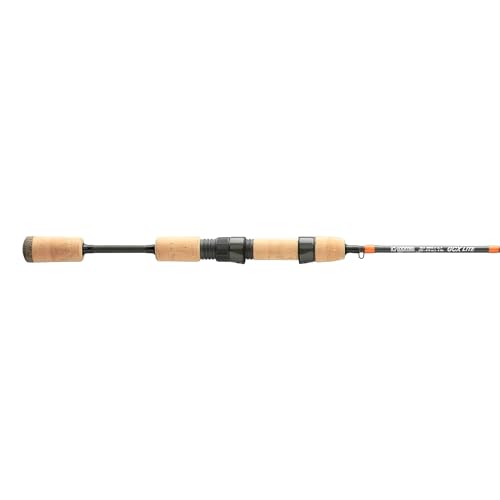
G. Loomis GCX LITE Spinning
G. Loomis GCX LITE Spinning
Best for: Well-rounded inshore use
This is the rod to consider if you want one spinning outfit that handles a range of inshore situations without feeling heavy after a long session. Anglers who fish a mix of shoreline, oyster bars and open flats are the typical audience for a lighter GCX build.
Key specs
- Lightweight graphite construction, as the LITE designation indicates
- Spinning rod designed for inshore lure weights
Pros
- Light enough for extended casting sessions
- Versatile across common inshore lure sizes
- Pairs well with braid-based setups
Cons
- Less backbone than heavier models for large fish in heavy cover
- Exact length and power rating should be confirmed on the listing before buying
Bottom line: A strong first choice for anglers who want one versatile inshore spinning rod and value comfort over brute strength.
View on Amazon
G. Loomis IMX PRO Green, Inshore, 7', Medium Light, 1 pcs, (13204-01) Fishing
G. Loomis IMX PRO Green, Inshore, 7′, Medium Light
Best for: Light tackle and finesse presentations on flats and creeks
This 7-foot medium-light model suits anglers throwing small jigs, soft plastics and light topwater lures in shallow water, where accurate casts and good feel matter more than raw power.
Key specs
- 7-foot length
- Medium Light power rating
- One-piece construction
Pros
- Well suited to light lures and delicate presentations
- Compact length is easy to handle in tight water
- One-piece build is often associated with good sensitivity
Cons
- Limited lure weight range compared with heavier inshore rods
- May be underpowered for larger fish or heavy structure
Bottom line: Best for anglers focused on light-tackle inshore fishing who want precise control in shallow water.
View on Amazon
G. Loomis NRX+ Inshore, Inshore, 7'0", Medium Heavy, 1 pcs, (13077-01) Fishing
G. Loomis NRX+ Inshore, 7’0″, Medium Heavy
Best for: Heavier lures and bigger inshore species
The Medium Heavy power rating points to anglers who regularly throw heavier jigs and plugs, or who expect to fight larger redfish, snook or similar inshore fish around docks, grass edges and structure.
Key specs
- 7’0″ length
- Medium Heavy power rating
- One-piece construction
Pros
- Backbone for turning larger fish away from cover
- Handles heavier lure weights comfortably
- Good match for braided line and fluorocarbon leader setups
Cons
- Heavier feel than lighter inshore rods during long sessions
- Less finesse for small lures in clear, shallow water
Bottom line: Pick this if your inshore fishing leans toward heavier lures and larger fish rather than delicate presentations.
View on Amazon
G. Loomis GCX Steelhead, Salmon, Steelhead, 9'6", Medium Light, 2 pcs, (13106-01) Fishing
G. Loomis GCX Steelhead, Salmon, Steelhead, 9’6″, Medium Light
Best for: Long casts from beaches and jetties
The 9’6″ length gives more casting reach and leverage than a standard 7-foot inshore rod. Anglers who fish wide surf or long jetty runs, and who want to cover more water per cast, are the audience for this model. Note that the listing name references steelhead and salmon, so confirm it fits your intended saltwater use before buying.
Key specs
- 9’6″ length
- Medium Light power rating
- Two-piece construction
Pros
- Extra length adds casting distance from elevated or wide shorelines
- Two-piece build is easier to transport
- Medium Light power suits lighter lures
Cons
- Longer rod is less convenient in boats and tight cover
- Listing is oriented toward steelhead and salmon, so suitability for inshore saltwater should be checked
Bottom line: A good option for anglers who prioritize distance from the beach or jetty, provided the length and power fit their target species.
View on AmazonBuying Guide
Rod Length
Seven-foot rods are the common choice for boat and wade inshore fishing because they balance casting accuracy with control in tight spaces. Nine-foot-plus rods add casting distance, which helps from beaches, jetties and wide shorelines, but they are harder to handle in a boat or around docks.
Good picks for this: G. Loomis IMX PRO Green, Inshore, 7′, Medium Light; G. Loomis GCX Steelhead, Salmon, Steelhead, 9’6″, Medium Light
Power Rating
Power ratings such as Medium Light and Medium Heavy describe how much force the blank is designed to handle. Lighter ratings suit small jigs and soft plastics; heavier ratings suit larger lures and bigger fish. Matching the rating to your typical lure weight matters more than chasing the stiffest rod.
Good picks for this: G. Loomis IMX PRO Green, Inshore, 7′, Medium Light; G. Loomis NRX+ Inshore, 7’0″, Medium Heavy
Lure Weight Range
Check the lure weight range printed by the manufacturer and make sure it covers what you actually throw. A rod that is too light for your lures will cast poorly, while one that is too heavy can make small baits hard to control.
Good picks for this: G. Loomis GCX LITE Spinning; G. Loomis NRX+ Inshore, 7’0″, Medium Heavy
Construction and Weight
Graphite blanks with lighter builds reduce fatigue during long days. One-piece rods are often associated with better sensitivity, while two-piece rods are easier to transport. Consider how you will get to your fishing spots.
Good picks for this: G. Loomis GCX LITE Spinning; G. Loomis GCX Steelhead, Salmon, Steelhead, 9’6″, Medium Light
Target Species and Fishing Environment
Match the rod to the fish and cover you expect. Grass flats and shallow creeks call for lighter, more precise rods. Docks, oyster bars and structure where larger fish run call for more backbone.
Good picks for this: G. Loomis IMX PRO Green, Inshore, 7′, Medium Light; G. Loomis NRX+ Inshore, 7’0″, Medium Heavy
Casting Distance Needs
If you fish from elevated jetties or wide surf, longer rods add reach. For boat and wade fishing near cover, shorter rods usually offer better control.
Good picks for this: G. Loomis GCX Steelhead, Salmon, Steelhead, 9’6″, Medium Light; G. Loomis GCX LITE Spinning
Care and Durability
Rinse your rod with fresh water after saltwater use, dry it before storage and keep guides free of debris. Avoid leaving rods in hot vehicles, and inspect guides and ferrules periodically for damage.
Good picks for this: G. Loomis NRX+ Inshore, 7’0″, Medium Heavy; G. Loomis GCX LITE Spinning
FAQ
What does the GCX line mean for inshore fishing?
GCX is a line of G. Loomis spinning rods, and different models within it are built for different lure weights and fishing situations. For inshore use, look at length, power rating and lure weight range on the specific listing.
Is a 7-foot rod better than a 9-foot rod for inshore fishing?
Seven-foot rods generally offer better control in boats and around cover, while nine-foot rods add casting distance from beaches and jetties. The better choice depends on where you fish.
What power rating should I choose?
Medium Light suits light lures and finesse presentations. Medium Heavy suits heavier lures and larger fish. Match the rating to the lures you use most.
Can I use braided line on these rods?
Many inshore anglers pair spinning rods with braided line and a fluorocarbon leader. Check the line rating listed for each rod and spool your reel correctly for the best results.
Should I choose one-piece or two-piece?
One-piece rods are often associated with better sensitivity, while two-piece rods are easier to transport. Pick based on your priorities and how you travel to fishing spots.
How do I care for a saltwater spinning rod?
Rinse with fresh water after each trip, dry thoroughly, and inspect guides and ferrules regularly. Store the rod in a rod sleeve or rack out of direct sun.
Conclusion
For a versatile all-around inshore rod, the G. Loomis GCX LITE Spinning is a sensible starting point. Anglers who focus on light lures and shallow water will likely prefer the G. Loomis IMX PRO Green, Inshore, 7′, Medium Light. For heavier lures and bigger fish, the G. Loomis NRX+ Inshore, 7’0″, Medium Heavy fits better. If casting distance from beaches and jetties is your priority, the G. Loomis GCX Steelhead, Salmon, Steelhead, 9’6″, Medium Light is worth a look, provided its length and power suit your target species. Always confirm specifications on the listing before purchasing.
Sources
- Marine conditions, fishing regulations and coastal resource information for saltwater anglers (noaa.gov)
- Recreational fishing rules, species information and sustainable fishing practices (fisheries.noaa.gov)
- Background on coastal and estuary habitats where inshore species are found (usgs.gov)
Before you buy: helpful guides
Related reading
- Top 6 Best Braided Lines for Inshore Saltwater Fishing (2026)
- Top 5 Braided Lines for Inshore Fishing Picks Compared (2026)
About Ethan Brooks
Ethan Brooks is part of our editorial team and reviews and edits our saltwater fishing guides, checking product details against manufacturer specifications and owner feedback.
About the author
Ethan Brooks writes reviews and buying guides for Saltwater Fishing.