5 Best Saltwater Inshore Spinning Rods of 2026: Buyer’s Guide
Compare the best saltwater inshore spinning rod options for redfish, trout and snook. Learn the key specs, power ratings and buying factors before you choose.
 By Ethan Brooks
Updated November 24, 2026
 By Ethan Brooks
Updated November 2026
Choosing a saltwater inshore spinning rod comes down to matching the rod to the water, the target species and the lures you plan to throw. Inshore anglers fish flats, bays, oyster bars, jetties and creek mouths, where fish range from small trout and flounder to larger redfish, snook and jacks. The rods below were selected from manufacturer specifications, brand reputation and common owner feedback patterns. Each one is evaluated on length, power and action, lure weight range, blank material, guide quality, corrosion resistance and how well it suits a typical inshore setup. We have not tested these rods ourselves; the points here reflect published specs and what owners often report.
Our top picks at a glance
- 1TOP CHOICEBest overallUgly Stik 7'6" Carbon Inshore Spinning Rod, 1-Piece Fishing Rod, Medium Rod PowerView on Amazon
- 2
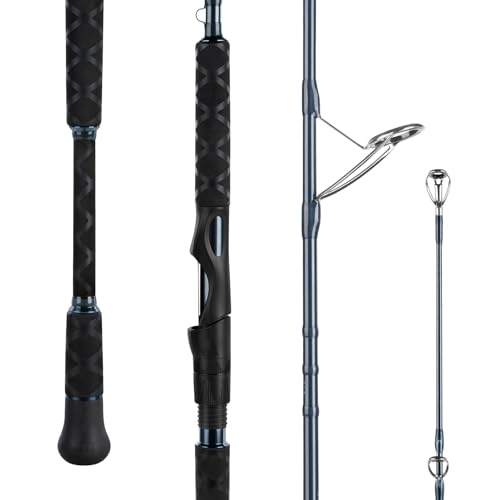 TOP CHOICEBest for light lures and troutKastKing Rekon Saltwater Spinning Rod, 8'0", MH | 2-Piece RodView on Amazon
- 3
 TOP CHOICEBest for redfish and heavier luresPenn Squadron IV Inshore Spinning Rod, 7', 1-Piece Saltwater Fishing Rod, Heavy PowerView on Amazon
- 4
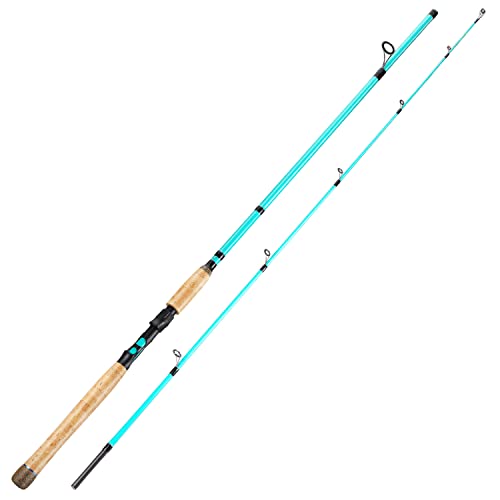 Best budget pickSougayilang Inshore Saltwater Fishing Rods, Spinning Rods and CastingView on Amazon
- 5
 Best premium optionOkuma SRT Inshore Premier Carbon Blank Saltwater Rod, SRTP-S-701MView on Amazon
Our Top Picks
Quick Comparison
| Product | Best for | Key feature |
|---|---|---|
| Ugly Stik 7’6″ Carbon Inshore Spinning Rod | General inshore use | Medium power, 1/4–1 oz lure rating |
| KastKing Rekon Saltwater Spinning Rod, 8’0″ | Light lures and trout | Two-piece 8-foot blank with ceramic guides |
| Penn Squadron IV Inshore Spinning Rod, 7′ | Redfish and heavier lures | Heavy power, 3/4–2 1/2 oz lure rating |
| Sougayilang Inshore Saltwater Fishing Rods | Budget-conscious anglers | IM7 carbon blank with cork handle |
| Okuma SRT Inshore Premier Carbon Blank Saltwater Rod | Anglers wanting a premium blank | Carbon blank with medium-light power |
Ugly Stik 7’6″ Carbon Inshore Spinning Rod, 1-Piece Fishing Rod, Medium Rod Power
Ugly Stik 7'6" Carbon Inshore Spinning Rod, 1-Piece Fishing Rod, Medium Rod Power, 10-17 lb Line Rating, 1/4-1 oz Lure Rating
Best for: General inshore fishing with medium-weight lures
This one-piece rod suits anglers who want a single, durable saltwater spinning rod for a mix of trout, flounder and small redfish. The longer 7’6″ length helps with casting distance from shore and from a boat.
Key specs
- Length: 7 feet 6 inches
- Construction: one-piece
- Power: Medium
- Line rating: 10–17 lb
- Lure rating: 1/4–1 oz
Pros
- One-piece blank has no ferrule to weaken under load
- Line and lure ratings fit typical inshore spinning setups
- Carbon construction keeps the weight manageable for long sessions
Cons
- One-piece rods are harder to transport in a small vehicle
- Medium power may feel light for larger redfish
Bottom line: A strong all-around choice for anglers who fish a variety of inshore species with lures in the 1/4 to 1 oz range.
View on AmazonKastKing Rekon Saltwater Spinning Rod, 8’0″, MH | 2-Piece Rod
KastKing Rekon Saltwater Spinning Rod, 8'0", MH | 2-Piece Rod, KastFlex IM6 Carbon Graphite Blank, Zirconium Ceramic Guides,Graphite Reel Seat, Hook Keeper
Best for: Light lures and trout
The 8-foot length gives extra reach for working soft plastics and light jigs over shallow flats, and the two-piece design makes it easier to store and travel with.
Key specs
- Length: 8 feet 0 inches
- Construction: two-piece
- Power: Medium Heavy (MH)
- Blank: KastFlex IM6 carbon graphite
- Guides: zirconium ceramic
- Reel seat: graphite, with hook keeper
Pros
- Two-piece design is convenient for transport and storage
- Ceramic guides resist grooving under braided line
- Hook keeper and graphite reel seat are practical touches
Cons
- Eight-foot length can be unwieldy in tight mangrove edges
- Medium Heavy power is on the stiffer side for very light jigs
Bottom line: Suited to anglers who want extra casting reach over flats and mixed inshore water, especially when using braid.
View on AmazonPenn Squadron IV Inshore Spinning Rod, 7′, 1-Piece Saltwater Fishing Rod, Heavy Power
Penn Squadron IV Inshore Spinning Rod, 7', 1-Piece Saltwater Fishing Rod, Heavy Power, 15-30 lb Line Rating, 3/4-2 1/2 oz Lure Rating
Best for: Redfish and heavier lures
Heavy power and a higher lure rating make this rod a better match for larger redfish, bigger topwater plugs and heavier jigs in current or wind.
Key specs
- Length: 7 feet
- Construction: one-piece
- Power: Heavy
- Line rating: 15–30 lb
- Lure rating: 3/4–2 1/2 oz
Pros
- Heavy power handles larger fish and heavier lures
- Wide line rating accommodates heavier braid and leader setups
- One-piece construction keeps the blank stiff and responsive
Cons
- Stiffer action can feel harsh with very light lures
- Shorter 7-foot length gives less casting reach than longer options
Bottom line: Best for anglers targeting redfish, snook or jacks who regularly throw heavier lures.
View on AmazonSougayilang Inshore Saltwater Fishing Rods, Spinning Rods and Casting Rods with AAA Cork Handles
Sougayilang Inshore Saltwater Fishing Rods, Spinning Rods and Casting Rods with AAA Cork Handles,IM7 Toray Carbon Blanks- 7' (Blue- Spinning)
Best for: Budget-conscious anglers
Newer anglers or those building a first saltwater kit can get a 7-foot inshore spinning rod with an IM7 carbon blank and cork handle without stretching a tight budget.
Key specs
- Length: 7 feet
- Type: spinning (blue model)
- Blank: IM7 Toray carbon
- Handle: AAA cork
Pros
- Budget-friendly entry point for saltwater inshore fishing
- Cork handle offers a comfortable, grippy feel
- IM7 carbon blank provides good sensitivity for the category
Cons
- Brand has less long-term track record than established rod makers
- Specific power and lure rating should be confirmed on the listing before buying
Bottom line: A practical choice for beginners and occasional inshore anglers who want a capable rod without a premium commitment.
View on AmazonOkuma SRT Inshore Premier Carbon Blank Saltwater Rod, SRTP-S-701M
Okuma SRT Inshore Premier Carbon Blank Saltwater Rod, SRTP-S-701M
Best for: Anglers wanting a premium carbon blank
Experienced inshore anglers who prioritize sensitivity and feel for working jigs and soft plastics will find this model’s premium blank appealing.
Key specs
- Model: SRTP-S-701M
- Length: 7 feet 1 inch (from model designation)
- Power: Medium (from model designation “M”)
- Blank: carbon premier construction
Pros
- Premium carbon blank favors sensitivity and bite detection
- Medium power suits common inshore jigs and plugs
- Okuma is a long-established name in saltwater tackle
Cons
- Higher investment than budget options on this list
- Medium-only power may not suit anglers targeting big redfish
Bottom line: Best for anglers who fish inshore regularly and want a refined carbon blank with a sensitive feel.
View on AmazonBuying Guide
Rod Length
Inshore spinning rods typically range from about 6 feet to 8 feet. Shorter rods of 6 to 7 feet give better control in tight spots such as creek mouths and mangroves, while 7.5 to 8 feet adds casting distance over open flats. A longer rod also helps keep line off the water when fishing from a kayak or skiff.
Good picks for this: Ugly Stik 7’6″ Carbon Inshore Spinning Rod, KastKing Rekon Saltwater Spinning Rod, 8’0″
Power and Action
Power describes how much force the blank needs to bend, typically rated from ultralight to heavy. Medium power works for most trout, flounder and small redfish. Heavy power suits larger fish and heavier lures. Action describes where the rod bends; fast action bends near the tip and suits sharp hooksets, while moderate action bends further down and absorbs more shock.
Good picks for this: Penn Squadron IV Inshore Spinning Rod, 7′, Okuma SRT Inshore Premier Carbon Blank Saltwater Rod
Lure and Line Ratings
Check the lure weight rating and line rating printed on the blank. Matching your typical lures and line within those ranges protects the rod and gives better casting performance. Manufacturers specify these ratings so anglers avoid overloading a blank with line that is too heavy or lures that are too large.
Good picks for this: Penn Squadron IV Inshore Spinning Rod, 7′, Ugly Stik 7’6″ Carbon Inshore Spinning Rod
Blank Material
Carbon and graphite blanks offer a good balance of strength, weight and sensitivity for inshore use. Higher-modulus carbon, such as IM6 or IM7 grades, is generally lighter and more sensitive. Fiberglass blanks are more forgiving but heavier. For most inshore anglers, a carbon blank is the practical choice.
Good picks for this: KastKing Rekon Saltwater Spinning Rod, 8’0″, Sougayilang Inshore Saltwater Fishing Rods
One-Piece Versus Two-Piece Construction
One-piece rods have no ferrule joint, so the blank is continuous and generally more responsive. Two-piece rods break down for travel and storage, which matters for anglers who transport gear in small vehicles or on planes. Ferrule quality affects how well the two halves hold alignment over time.
Good picks for this: Ugly Stik 7’6″ Carbon Inshore Spinning Rod, KastKing Rekon Saltwater Spinning Rod, 8’0″
Guides and Reel Seat
Guide material affects line wear and casting efficiency. Ceramic and zirconium guides resist grooving from braided line better than basic aluminum oxide. Look for a comfortable reel seat that locks the reel firmly and a hook keeper that protects the lure when the rod is stored or moved.
Good picks for this: KastKing Rekon Saltwater Spinning Rod, 8’0″, Okuma SRT Inshore Premier Carbon Blank Saltwater Rod
Corrosion Resistance and Care
Saltwater is hard on hardware. Rinse rods with fresh water after every trip, dry them thoroughly, and check guides and reel seats for corrosion. Store rods out of direct sun, since UV exposure can degrade some resins over time. Basic care extends the working life of any saltwater rod.
Good picks for this: Penn Squadron IV Inshore Spinning Rod, 7′, Sougayilang Inshore Saltwater Fishing Rods
FAQ
What length is best for an inshore saltwater spinning rod?
Most inshore anglers use a rod between 6.5 and 8 feet. Seven to seven-and-a-half feet is a versatile middle ground, while 8 feet is useful for longer casts over open flats.
What power rating should I choose for redfish?
Medium-heavy to heavy power is generally a better match for redfish, since they are strong and fight near structure. Lighter power works well for trout and flounder.
Can one rod cover trout, redfish and snook?
A medium-heavy rod in the 7 to 7.5 foot range can handle a range of inshore species with appropriate lures and line. Matching your line and lures to the rod’s ratings is key to getting good performance.
Is a braided line or fluorocarbon leader better for inshore?
Many inshore anglers pair braided main line with a fluorocarbon leader for abrasion resistance and low visibility. Braid offers sensitivity and casting distance, while fluorocarbon helps prevent break-offs from teeth and structure.
Should I buy a one-piece or two-piece rod?
One-piece rods tend to be more sensitive and stronger at the joint, while two-piece rods are easier to transport and store. Choose based on how you travel and how much you value sensitivity.
How do I care for a saltwater rod?
Rinse the rod and reel in fresh water after each trip, dry thoroughly, and inspect guides and reel seats for corrosion. Store rods in a dry place away from direct sun.
Conclusion
For a balanced all-around saltwater inshore spinning rod, the Ugly Stik 7’6″ Carbon Inshore Spinning Rod is a sensible starting point. Anglers who want extra reach over flats and light-lure work should consider the KastKing Rekon Saltwater Spinning Rod, 8’0″. The Penn Squadron IV suits redfish and heavier lures, the Sougayilang offers a budget-friendly entry, and the Okuma SRT appeals to anglers who prefer a premium carbon blank. Match the rod’s length, power and lure ratings to the species and water you fish most.
Sources
- Federal guidance on saltwater fisheries, species regulations and marine resource management (fisheries.noaa.gov)
- Florida Fish and Wildlife Conservation Commission information on inshore species, regulations and fishing practices
- Background on coastal and estuarine environments where inshore fishing takes place (usgs.gov)
Before you buy: helpful guides
Related reading
- Top 6 Best Braided Lines for Inshore Saltwater Fishing (2026)
- 6 Best Saltwater Fishing Rods for Kids: Top Picks for Young Anglers
About Ethan Brooks
Ethan Brooks is part of our editorial team and reviews and edits our saltwater fishing guides, checking product details against manufacturer specifications and owner feedback.
About the author
Ethan Brooks writes reviews and buying guides for Saltwater Fishing.