5 Best Rods for Inshore Fishing Compared (2026)
Looking for the best rod for inshore fishing? We compare five rods by power, action, lure rating and build to help you match a rod to your targets.
 By Ethan Brooks
Updated November 24, 2026
 By Ethan Brooks
Updated November 2026
Choosing the best rod for inshore fishing comes down to matching the rod to the water you fish, the species you chase and the lures you throw. Inshore anglers usually work flats, creek mouths, oyster bars, jetties and grass edges, so the ideal rod needs enough backbone to turn a redfish out of cover yet enough tip to cast light jigs and soft plastics all day. This guide looks at five rods that cover that range, judged on length, power and action, lure rating, construction and the feedback owners commonly report.
Our top picks at a glance
- 1TOP CHOICEBest overallUgly Stik 7'6" Carbon Inshore Spinning RodView on Amazon
- 2
 TOP CHOICEBest for complete beginnersUgly Stik 7' Complete Saltwater KitView on Amazon
- 3
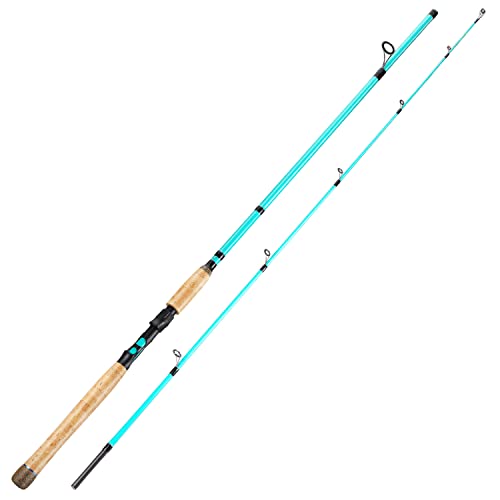 TOP CHOICEBest for light lures and finesse workSougayilang Inshore Saltwater Fishing RodsView on Amazon
- 4
 Best for longer casts from shorePenn Pursuit V Spinning Reel and 9' Rod ComboView on Amazon
- 5
 Best for heavier inshore lures and baitUgly Stik New Model 8' Spinning RodView on Amazon
Our Top Picks
How we judged the rods
We compared these rods on published specifications: length, power rating, action, lure weight range and line rating, along with construction materials. We also looked at brand reputation and the patterns that appear in owner feedback, such as whether a rod feels too stiff for light jigs or too soft for pulling fish out of structure. None of these recommendations come from our own testing. Use the specifications as a starting point and confirm them on the listing before you buy.
Quick Comparison
| Product | Best for | Key feature |
|---|---|---|
| Ugly Stik 7’6″ Carbon Inshore Spinning Rod | All-around inshore use | Carbon construction, 1/4–1 oz lure rating |
| Ugly Stik 7′ Complete Saltwater Kit | Beginners | Rod and reel matched in one kit |
| Sougayilang Inshore Saltwater Fishing Rods | Light lures and finesse | IM7 Toray carbon blank, cork handle |
| Penn Pursuit V Spinning Reel and 9′ Rod Combo | Longer casts from shore | 9-foot, 2-piece graphite blank |
| Ugly Stik New Model 8′ Spinning Rod | Heavier lures and bait | Medium-heavy power, 20–40 lb line rating |
Ugly Stik 7’6″ Carbon Inshore Spinning Rod
Ugly Stik 7'6" Carbon Inshore Spinning Rod, 1-Piece Fishing Rod, Medium Rod Power, 10-17 lb Line Rating, 1/4-1 oz Lure Rating
Best for: All-around inshore use
This is a strong general-purpose choice for anglers who fish a mix of flats, creeks and shoreline structure and want one rod that handles most of the day.
Key specs:
- Length: 7 feet 6 inches
- Construction: one-piece, carbon
- Power: medium
- Lure rating: 1/4 to 1 oz
- Line rating: 10 to 17 lb
Pros
- Lure rating covers most inshore jigs and spoons
- One-piece blank is generally stronger and more sensitive than a jointed rod
- Medium power suits reds, trout and flounder
Cons
- One-piece design is harder to transport and store than a two-piece rod
- Line rating tops out at 17 lb, which may feel light for heavy structure
Bottom line: A sound pick for anglers who want one reliable rod for mixed inshore targets and don’t mind a one-piece length.
View on AmazonUgly Stik 7′ Complete Saltwater Kit
Ugly Stik 7’ Complete Saltwater Kit Fishing Rod and Reel Spinning Combo, Ugly Tech Construction with Clear Tip Design, 7’ Telescopic – 2-Piece Rod,Black
Best for: Beginners
New anglers who want a rod and reel that already match each other will find this kit a simple starting point, and it saves the work of pairing components separately.
Key specs:
- Length: 7 feet
- Construction: two-piece telescopic rod
- Sold as a spinning combo with rod and reel
Pros
- Rod and reel come matched, removing guesswork
- Two-piece design is easier to pack and carry
- Clear tip design helps beginners see bites
Cons
- A kit reel is usually a step below dedicated saltwater reels in corrosion resistance and drag refinement
- The shorter length gives less casting distance from shore
Bottom line: Best suited to someone starting out who wants an all-in-one setup for inshore use and plans to upgrade the reel later.
View on AmazonSougayilang Inshore Saltwater Fishing Rods
Sougayilang Inshore Saltwater Fishing Rods, Spinning Rods and Casting Rods with AAA Cork Handles,IM7 Toray Carbon Blanks- 7' (Blue- Spinning)
Best for: Light lures and finesse work
This rod suits anglers who fish soft plastics, light jigs and small topwater plugs in shallow water and want a sensitive tip for feeling subtle strikes.
Key specs:
- Length: 7 feet
- Blank: IM7 Toray carbon
- Handle: AAA cork
- Available in spinning and casting versions
Pros
- Carbon blank gives a light, responsive feel
- Cork handle is comfortable during long sessions
- Spinning and casting options allow a match to your reel preference
Cons
- Lighter power may struggle to turn larger fish out of heavy cover
- Owners often recommend pairing it with a quality drag-equipped reel to get the most from the blank
Bottom line: Pick this if your inshore fishing leans toward light tackle and you value feel over raw lifting power.
View on AmazonPenn Pursuit V Spinning Reel and 9′ Rod Combo
Penn Pursuit V Spinning Reel and 9' 2-Piece Fishing RodCombo, Graphite Composite Rod Blank Construction, EVA Handles
Best for: Longer casts from shore
A nine-foot rod adds reach and leverage, which helps when you are casting from a jetty, a beach or a wade where the fish sit farther off.
Key specs:
- Length: 9 feet
- Construction: two-piece graphite composite blank
- Handle: EVA
- Sold as a spinning reel and rod combo
Pros
- Extra length increases casting distance
- Graphite blank is lightweight for long days
- Two-piece design is easy to transport
Cons
- Nine feet is long for working tight creeks and mangrove edges
- Longer rods are less precise when pitching lures into cover
Bottom line: A good match for shore-based inshore anglers who need distance more than pinpoint accuracy.
View on AmazonUgly Stik New Model 8′ Spinning Rod
Ugly Stik unisex adult New Model spinning fishing rod, Black/Red/Yellow, 8 – Medium Heavy 20-40lb 2pc US
Best for: Heavier lures and bait
This is the heaviest rod in the group and fits anglers who throw larger lures, fish bait under a float, or expect to pull bigger fish out of structure.
Key specs:
- Length: 8 feet
- Power: medium-heavy
- Line rating: 20 to 40 lb
- Construction: two-piece
Pros
- Medium-heavy power handles heavier lures and bait
- Higher line rating suits heavy cover and larger fish
- Longer length adds casting reach
Cons
- Too stiff for very light jigs and small soft plastics
- Heavier overall feel during long sessions
Bottom line: Choose this if your inshore plan centers on bait, heavier lures or larger species, not finesse fishing.
View on AmazonBuying Guide
Rod length
Most inshore rods run between 6 and 9 feet. Shorter rods (6½ to 7½ feet) give accuracy in tight water and easier handling in a boat. Longer rods (8 to 9 feet) add casting distance from shore and help you keep line off the surf. Start around 7 to 7½ feet if you fish mostly from a boat.
Good picks for this: Ugly Stik 7’6″ Carbon Inshore Spinning Rod, Penn Pursuit V Spinning Reel and 9′ Rod Combo
Power and action
Power describes how much force a rod needs to bend, from ultralight to heavy. Action describes where the rod bends, from the tip (fast) to the mid-section (moderate). Medium power with a fast or moderate-fast action suits most inshore work because it casts light lures and still lifts fish from cover.
Good picks for this: Ugly Stik 7’6″ Carbon Inshore Spinning Rod, Sougayilang Inshore Saltwater Fishing Rods
Lure weight rating
Check the lure rating printed on the rod blank. A rod rated 1/4 to 1 oz will handle most jigs and spoons in common inshore sizes. Going far outside that range affects casting distance and lure action. Light jigs under 1/8 oz need a lighter-powered rod to cast well.
Good picks for this: Ugly Stik 7’6″ Carbon Inshore Spinning Rod, Sougayilang Inshore Saltwater Fishing Rods
Line rating and compatibility
The line rating tells you the range of line the rod is designed for. If you plan to use braid, which many inshore anglers do, match the line class to the rod rather than assuming a higher number is always better. Heavier line on a light rod can overload the blank and reduce sensitivity.
Good picks for this: Ugly Stik New Model 8′ Spinning Rod, Ugly Stik 7’6″ Carbon Inshore Spinning Rod
Construction and materials
Carbon blanks are lighter and more sensitive, while graphite composite blanks are a common and durable middle ground. One-piece rods are generally stronger and more sensitive than two-piece rods, but two-piece designs travel more easily. Cork handles provide comfort and grip, while EVA foam handles are lightweight and resist moisture.
Good picks for this: Sougayilang Inshore Saltwater Fishing Rods, Penn Pursuit V Spinning Reel and 9′ Rod Combo
Corrosion resistance and care
Saltwater is hard on tackle. Rinse rods with fresh water after every trip, dry them before storage, and keep guides free of sand and salt crystals. Check guides and the reel seat regularly for cracks or loose wraps. Storing rods in a rod sock or rack prevents damage to the tip.
Good picks for this: Ugly Stik 7′ Complete Saltwater Kit, Ugly Stik New Model 8′ Spinning Rod
Your fishing style and targets
Think about where you fish and what you catch. Wading flats for redfish and trout calls for a lighter, more sensitive rod. Fishing bait from a pier or jetty points toward a heavier, longer rod. Matching the rod to your most common scenario gives better results than buying for every possible situation.
Good picks for this: Ugly Stik 7′ Complete Saltwater Kit, Ugly Stik New Model 8′ Spinning Rod
FAQ
What is the best length for an inshore rod?
For boat fishing and wading, 6½ to 7½ feet is the most common range because it balances accuracy and control. For casting from shore, 8 to 9 feet gives more distance. If you fish both ways, a 7½-foot rod is a practical compromise.
What power rating should I choose for inshore fishing?
Medium power works for most inshore species and lure sizes. Light power suits small jigs and light tackle. Medium-heavy power is better for bait fishing and larger fish in heavy cover.
Is a spinning rod or a casting rod better for inshore?
Spinning rods are easier for most anglers to cast accurately with light lures and are the usual choice for inshore work. Casting rods suit anglers who want more control with heavier lures and are comfortable with a baitcasting reel.
Do I need a rod and reel combo?
A combo is convenient for beginners because the components are matched. Experienced anglers often prefer to pair a rod and reel separately so they can choose each part for the fishing they do.
How do I care for a saltwater rod?
Rinse the rod and reel with fresh water after each trip, dry thoroughly, and inspect guides and reel seats for wear. Store the rod out of direct sun and avoid leaving it in a hot vehicle, since heat can weaken some blanks and adhesives over time.
Should I consult anyone before buying?
If you are unsure which rod matches your fishing, a local tackle shop or an experienced guide can give practical advice tailored to your waters. Check the manufacturer’s specifications and any local fishing regulations before you fish.
Conclusion
For most inshore anglers, the Ugly Stik 7’6″ Carbon Inshore Spinning Rod is the most versatile starting point, with a lure rating that covers common inshore jigs and spoons. Beginners who want a matched setup will find the Ugly Stik 7′ Complete Saltwater Kit simple to start with. The Sougayilang rod suits light-tackle and finesse work, the Penn Pursuit V 9-foot combo helps shore anglers reach fish farther out, and the Ugly Stik New Model 8′ rod fits bait fishing and heavier structure. Match the rod to your water and targets, and confirm the specifications on each listing before you buy.
Sources
- Federal guidance on saltwater fishing regulations, species management and recreational fishing rules (fisheries.noaa.gov)
- Florida fish and wildlife resources on inshore species, size limits and responsible handling
- U.S. Fish and Wildlife Service information on fishing access, habitat and conservation (usfws.gov)
Before you buy: helpful guides
Related reading
- Top 6 Best Braided Lines for Inshore Saltwater Fishing (2026)
- Top 5 Braided Lines for Inshore Fishing Picks Compared (2026)
- 7 Best Braided Fishing Line That Sinks for Surf and Inshore (2026)
About Ethan Brooks
Ethan Brooks is part of our editorial team and reviews and edits our saltwater fishing guides, checking product details against manufacturer specifications and owner feedback.
About the author
Ethan Brooks writes reviews and buying guides for Saltwater Fishing.