Seaguar Fluoro Premier Fluorocarbon Leader Review: Features and Performance
Seaguar Fluoro Premier fluorocarbon leader review: 20lb, 25-yard spec, who it suits, pros, cons, and how it compares to Blue Label before you buy.
 By Caleb Morgan
Updated November 24, 2026
 By Caleb Morgan
Updated November 2026
The seaguar fluoro premier fluorocarbon leader is a 20-pound, 25-yard spool of 100% fluorocarbon shock leader aimed at anglers who want a clear, low-visibility connection between their main line and their terminal rig. It suits saltwater anglers targeting fish with sharp teeth, rough bottoms, or spooky behavior in clear water, especially those fishing inshore, from piers, or from the surf. It is less suited to anglers who need heavy-duty tackle for large offshore species, since the 20-pound rating sits well below the range used for big game, and to those who want a stretchy leader for jigging or surf casting with heavy weights.
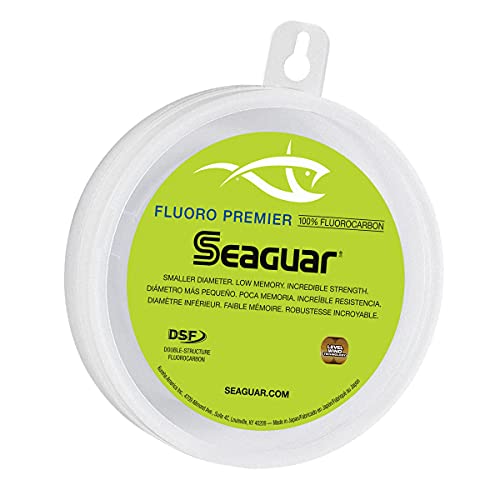
Seaguar Fluoro Premier Saltwater Fishing Line Shock Leader, 100% Fluorocarbon, 20lbs, 25yds Break Strength/Length, Clear, 20FP25
Product Overview
Seaguar builds its fluorocarbon line around the idea that the material’s refractive index sits close to water, which makes it harder for fish to see in clear conditions. The Fluoro Premier line is positioned as a general-purpose saltwater leader in the brand’s lineup, sitting alongside heavier and more specialized options. The listing identifies it as a 100% fluorocarbon product in a clear finish, sold as a 25-yard spool with a 20-pound break strength.
Fluorocarbon leaders are typically used between the main line and a lure, hook, or bait rig. Their main job is abrasion resistance around rocks, shell, pier pilings, and fish teeth, combined with low visibility. The tradeoff is that fluorocarbon is denser and stiffer than monofilament, so knots and handling take a little more care. If you are new to the category, the site’s guide on Why Use Fluorocarbon Leader? Fluorocarbon vs Monofilament (2026) explains the basic differences in more detail.
Key Features & Specifications
The following specifications come directly from the product name and listing details. Manufacturers specify these values, and anglers should check the spool label on arrival to confirm them.
| Specification | Detail |
|---|---|
| Brand | Seaguar |
| Product line | Fluoro Premier Saltwater Shock Leader |
| Material | 100% fluorocarbon |
| Break strength | 20 lb |
| Length | 25 yards |
| Color | Clear |
| Model number | 20FP25 |
| Intended use | Saltwater shock leader and terminal connection |
Pros & Cons
Pros
- Clear finish suits spooky fish in shallow, clean water.
- 100% fluorocarbon construction is denser than monofilament, so it sinks quickly and stays near the bottom.
- The 20-pound rating fits a wide range of inshore and pier species.
- The 25-yard spool gives enough material for several rig changes or re-tying.
- Abrasion resistance is well suited to rocks, pilings, and toothy fish.
Cons
- The 25-yard length is short for anglers who fish frequently and retie often.
- Fluorocarbon is stiffer than monofilament, which can make knots harder to seat cleanly.
- The 20-pound rating is light for large offshore or heavy surf targets.
- Owners often report that the line can kink if stored on a small spool or left in the sun.
- Limited stretch compared with monofilament can transmit more shock to light tackle.
Performance Analysis
Performance for a leader like this comes down to three things: how it resists abrasion, how well it hides from fish, and how reliably knots hold under load. Based on the specifications and general patterns reported by owners of fluorocarbon leaders in this class, the Fluoro Premier performs best in clear, shallow saltwater where fish are wary. The clear finish and dense material help keep the leader out of view and near the bottom, which matters for species like redfish, snook, and flounder in calm conditions.
Abrasion resistance is a core strength of fluorocarbon, and owners of similar leaders commonly report that it holds up around oyster bars, rock jetties, and pier pilings better than lighter monofilament. The 20-pound rating gives a reasonable margin for fish in the 10- to 20-pound class, but anglers should not expect it to handle sustained pressure from large fish near structure. Stretch is limited, so smooth drag settings and a light hand on the rod are important, especially with hard-striking species.
Knot performance is where most anglers notice the stiffness of fluorocarbon. Owners frequently recommend a double uni or a Albright-style knot with extra wraps and lubrication, then a slow, even tightening to avoid heat or friction damage. Manufacturers generally advise trimming tag ends close and testing each knot before casting. If you are unsure which knots suit your rig, the site’s rigging articles, such as Seaguar Blue Label Fluorocarbon Leader Line: How to Rig It for Saltwater (2026), walk through practical methods.
Who Should Buy This Product?
This leader fits anglers who fish inshore flats, bays, and nearshore structure with light to medium tackle, and who want a clear, abrasion-resistant connection. It is a sensible choice for pier fishing, where rough pilings and toothy fish are common, and for surf anglers working lighter setups rather than heavy surf rods. Beginners who want a single, straightforward leader for common saltwater species will find it easy to understand.
It is a poor fit for anglers targeting large pelagic or heavy offshore species, for those who need significant stretch to absorb hard strikes, or for anglers who go through leader quickly and want a larger spool. For these situations, a heavier or longer option is a better match.
Buying Guide
When choosing a fluorocarbon leader for saltwater, start with your target species and the water you fish. Clear, shallow water rewards a clear, thin leader, while murky or deep water is more forgiving. Match the break strength to the fish you expect, leaving a margin for error. The site’s guide on What Strength Fluorocarbon Leader Should You Use? A Saltwater Guide offers a helpful framework for picking a rating.
Consider the spool length and the number of rigs you run. A 25-yard spool suits occasional use, while frequent anglers may prefer a larger quantity. Check that the diameter and rating match your terminal tackle and that the material is 100% fluorocarbon if abrasion and low visibility are your priorities.
Several well-known alternatives are worth comparing. The Seaguar Blue Label 100% Fluorocarbon Fishing Line Leader in 30-pound, 25-yard form offers a heavier rating for anglers who need more margin:

Seaguar Blue Label 100% Fluorocarbon Fishing Line Leader, 30lbs, 25yds Break Strength/Length, 30FC25
For a broader comparison of options at this rating, the site’s roundup Top 4 Best Seaguar Fluorocarbon Leader Options for Saltwater (2026) places several models side by side. Anglers who want a different brand can also look at the Daiwa J-Fluoro Fluorocarbon Leader: How to Choose and Rig It (2026) for another 100% fluorocarbon option.
FAQ
Is the Seaguar Fluoro Premier fluorocarbon leader good for beginners?
Yes, it is a straightforward option for beginners fishing inshore or from a pier. The 20-pound rating and clear finish cover common species, and the spool is simple to use. Beginners should practice their knots at home before fishing, since fluorocarbon is stiffer than monofilament.
What species is a 20-pound fluorocarbon leader suitable for?
A 20-pound leader generally suits redfish, snook, flounder, sea trout, and other inshore species in the 10- to 20-pound class. It is usually too light for large offshore fish or heavy surf targets, where a heavier rating is safer.
Does fluorocarbon leader stretch?
Fluorocarbon has limited stretch compared with monofilament. This means it transmits more shock to light tackle, so anglers should use smooth drag settings and avoid jerky strikes or hard hook sets with light rods.
How do I tie a knot in fluorocarbon leader?
Many anglers use a double uni knot or a Albright knot for connecting leader to braid or mono. Lubricate the knot with saliva or water, tighten slowly to avoid friction heat, trim the tag close, and test the knot before casting.
How should I store fluorocarbon leader spools?
Keep spools in a cool, dark place out of direct sunlight. Owners often report kinking when line sits on small spools or is left in the sun, so store it loosely wound and check for memory before rigging.
Is 25 yards enough for a leader spool?
For occasional anglers, 25 yards can last a long time because leaders are typically only a few feet per rig. Frequent anglers who retie often may find they need a larger spool sooner.
When should I replace my fluorocarbon leader?
Replace the leader after it has been scraped by rocks, shell, or teeth, or if you notice nicks, flat spots, or weakened knots. Check the leader after every few fish or any time you feel a change in feel.
Final Verdict
The seaguar fluoro premier fluorocarbon leader is a practical, clear, abrasion-resistant option for saltwater anglers working inshore, pier, and light surf situations at the 20-pound level. Its strengths are low visibility, dense construction, and good resistance to rough structure, while its limits are the moderate break strength for heavy targets, limited stretch, and a 25-yard spool that may run out for frequent anglers. For most light to medium saltwater setups, it is a solid choice, and anglers needing more margin should compare the heavier Blue Label option.
View on AmazonNote: This review is based on product specifications and general owner feedback patterns rather than hands-on testing. For advice on gear suited to specific fishing conditions or regulations, consult a local tackle shop or fisheries professional.
Before you buy: helpful guides
About Caleb Morgan
Caleb Morgan is part of our editorial team and reviews and edits our saltwater fishing guides, checking product details against manufacturer specifications and owner feedback.
About the author
Caleb Morgan writes reviews and buying guides for Saltwater Fishing.