Yo Zuri HD Fluorocarbon Leader Review: Pros and Cons
Yo Zuri HD fluorocarbon leader review: 40 lb disappearing pink line, specs, pros and cons, and who should buy it for saltwater leader work.
 By Caleb Morgan
Updated November 24, 2026
 By Caleb Morgan
Updated November 2026
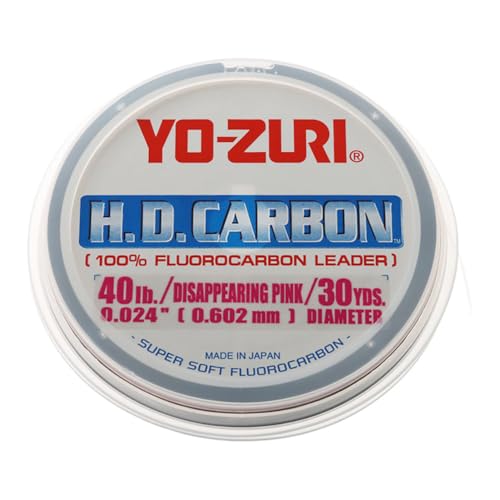
The Yo-Zuri HD Disappearing Pink Fluorocarbon Leader in 40 lb test is a spool of fluorocarbon aimed at anglers who want a leader that is nearly invisible in the water while still handling the abrasion and shock that come with saltwater fishing. This review looks at the 30-yard, 40-pound spool, what it is built for, and where it makes less sense. Buyers who fish surf, pier, or inshore structure with braid and want a single, straightforward leader material should find it a reasonable match. Anglers chasing ultralight finesse work, or who need wire-style bite protection against toothy fish, should probably skip it or look at a different material.
Yo-Zuri HD Disappearing Pink Fluorocarbon Leader 30YD 40LB
Product Overview
Yo-Zuri is a Japanese fishing line manufacturer with a long presence in both freshwater and saltwater tackle. Its HD fluorocarbon line is marketed as a leader and terminal material, and the pink “disappearing” version is intended to reduce visibility in clear water. The product under review is a 30-yard spool rated at 40 pounds, which is the size many anglers choose when stepping up from light monofilament or fluorocarbon for heavier saltwater work.
Fluorocarbon as a material is valued for its low visibility underwater and its density, which lets it sink faster than monofilament of the same diameter. Those traits matter most when a leader needs to stay out of sight near structure or in clear water. The spool is a practical choice for anglers who tie their own leaders with a uni-to-uni, double uni, or improved clinch knot and want a dependable material on hand.
Because this is a bulk spool rather than a pre-tied leader, its value depends on the angler’s knot skill and how much line they expect to use. Thirty yards is enough for many leaders over a season, but anglers who fish frequently or tie many rigs will go through it quickly.
Key Features & Specifications
The following details reflect what the product listing identifies. Confirm exact figures on the packaging before buying, since manufacturers occasionally revise specifications.
| Feature | Specification |
|---|---|
| Brand | Yo-Zuri |
| Product line | HD Fluorocarbon Leader |
| Color | Disappearing pink |
| Test strength | 40 lb |
| Length | 30 yards |
| Material | Fluorocarbon |
| Intended use | Leader and terminal line |
Pros & Cons
Pros
- Fluorocarbon construction offers low visibility in clear water, a common reason anglers choose it over standard monofilament.
- The 40 lb rating gives a practical middle ground for many saltwater leader applications, from inshore species to lighter offshore work.
- Fluorocarbon sinks faster than monofilament, which helps a bait or lure reach the strike zone quickly.
- The 30-yard length supports multiple leaders and is easy to store on a spare spool.
- The pink tint is intended to help the line blend in against the bottom and in certain water conditions.
Cons
- Fluorocarbon is stiffer than monofilament, which can make knots harder to seat and cinch cleanly for some tiers.
- The spool is a bulk product, so anglers must tie their own leaders and accept the time and skill that requires.
- At 40 lb, the line may be heavier than needed for finesse fishing, reducing bite sensitivity and lure action.
- Fluorocarbon is not a bite-proof material; sharp-toothed fish can still cut through it without a wire section.
- Thirty yards may run out quickly for anglers who tie many rigs or fish frequently.
Performance Analysis
Performance for a leader material comes down to four things: abrasion resistance, knot strength, sensitivity, and visibility. Fluorocarbon generally performs well on abrasion against rocks, shell, and jetty structure compared with monofilament of the same diameter, and that is a major reason it is chosen as a leader. Owners of fluorocarbon leader products commonly report that it holds up well when fished around structure, though heavy and repeated contact will eventually wear any line.
Knot strength is an area where technique matters more than the material alone. Fluorocarbon is known for slightly lower knot efficiency than some monofilaments, so anglers typically use knots with multiple wraps, wet the line before cinching, and trim tags carefully. Users who take care with their knots generally report reliable results, while rushed knots are a frequent source of failures.
Sensitivity is where fluorocarbon tends to be less forgiving. Its stiffness and higher density can transmit less of the subtle bite feel that thinner or more supple lines provide. At 40 pounds, this effect is more about the line’s overall stiffness than fine feel, so the spool suits anglers who prioritize durability over finesse. Visibility benefits are most noticeable in clear water and against bright sand or light-colored bottoms, while murkier water reduces the advantage.
Overall, the line is best understood as a durable, low-visibility leader material with the usual fluorocarbon trade-offs in stiffness and knot handling.
Who Should Buy This Product?
This spool suits saltwater anglers who fish braided main line and need a leader that holds up around structure. It is a sensible choice for surf anglers working sandy and rocky beaches, pier fishermen targeting species that run under docks and pilings, and inshore anglers who want an abrasion-resistant section ahead of a lure or fly. Anglers who already tie their own leaders and know a reliable knot will get the most from the spool.
Anglers who should look elsewhere include finesse and ultralight fishermen who need maximum sensitivity, and anglers targeting sharp-toothed species such as mackerel or bluefish, who often need a wire or dedicated bite-tippet solution. Buyers who prefer ready-made leaders may also find a bulk spool more work than they want.
Buying Guide
When choosing a leader material, start with the species and the structure you plan to fish. Fluorocarbon works well around rocks, jetties, and pilings, but toothy fish call for wire. Next, match the test strength to your main line and target size; a leader should generally be rated at or below your braid’s strength so it is the weak point you can afford to lose. Finally, consider how much you will tie. A 30-yard spool is economical for a dedicated tier, but casual anglers may prefer pre-made leaders.
Several well-known alternatives are worth comparing. The Yo-Zuri H.D. Carbon Fluorocarbon Leader Line in 80 lb test offers a heavier option for larger fish and rougher structure:

Yo-Zuri H.D. Carbon Fluorocarbon Leader Line, Clear, 80-Pound/30-Yard
For a lighter, pink-tinted option at 30 lb, the Yo-Zuri 30-Yard HD Fluorocarbon Leader Line in pink is a useful comparison if you want a smaller diameter for lighter tackle:

Yo-Zuri 30-Yard HD Fluorocarbon Leader Line, Pink, 30-Pound
Anglers who want to compare leader options more broadly can also read 3 Best Yo Zuri HD Carbon Fluorocarbon Leader Models Compared for a side-by-side look at the line. For a closer look at the pink variant specifically, see 4 Best Yo Zuri Pink Fluorocarbon Leader Options Compared (2026). Anglers deciding between materials may find Wire or Fluorocarbon Leader (2026): Which Is Better for Saltwater? helpful, and those unsure of strength should read What Strength Fluorocarbon Leader Should You Use? A Saltwater Guide. For a broader primer on the difference between leader and line types, see What's the Difference Between Fluorocarbon Leader and Fluorocarbon Line? (2026).
FAQ
Is this fluorocarbon leader good for saltwater?
Yes, for many saltwater applications, particularly around rocks, jetties, and pilings where abrasion resistance matters. It is less suited to fish with sharp teeth, which may cut through fluorocarbon without a wire section.
What does “disappearing pink” mean?
The term describes a pink-tinted fluorocarbon intended to reduce visibility in water. The tint is meant to help the line blend in against the bottom and in certain light conditions, though results vary by water clarity.
Is 40 lb test too heavy for leader work?
It depends on your target. For bigger fish and rough structure, 40 lb is a reasonable choice. For finesse fishing or smaller species, a lighter test will usually give better sensitivity and lure action.
How do I tie fluorocarbon leader knots?
Many anglers use the uni-to-uni, double uni, or improved clinch knot. Wet the line before cinching, use enough wraps for a strong connection, and trim tags close. Practice on a spare piece before fishing with a new knot.
Does fluorocarbon sink faster than monofilament?
Yes. Fluorocarbon is denser than monofilament, so it generally sinks faster at the same diameter. This can help a bait or lure reach the target depth more quickly.
How long does fluorocarbon leader last?
Lifespan depends on use and abrasion. Owners commonly report replacing leaders after heavy contact with structure, nicks, or after any visible wear. Inspect the line regularly and retie after any suspicious damage.
Can I use this for freshwater fishing?
Fluorocarbon leader can be used in freshwater, but the product is positioned for saltwater leader work. Anglers fishing freshwater should match test strength and diameter to their target species and conditions.
Final Verdict
The Yo-Zuri HD Disappearing Pink Fluorocarbon Leader in 40 lb test is a practical, abrasion-resistant leader material for saltwater anglers who fish around structure and tie their own rigs. Its fluorocarbon construction and low-visibility pink tint make it a sound choice for surf, pier, and inshore work, while its stiffness and bulk-spool format mean it will not suit everyone. Anglers who prioritize finesse, or who face toothy fish, should weigh the alternatives above before buying.
View on AmazonFishing involves casting hooks and handling large fish, so check local regulations and handle hooks and line carefully. For questions about specific fishing safety or equipment setup, consult a local tackle professional or experienced guide.
Before you buy: helpful guides
About Caleb Morgan
Caleb Morgan is part of our editorial team and reviews and edits our saltwater fishing guides, checking product details against manufacturer specifications and owner feedback.
About the author
Caleb Morgan writes reviews and buying guides for Saltwater Fishing.