7 Best Bucktail Jig Tying Kits for Beginners and Saltwater Anglers
Compare the best bucktail jig tying kit options for saltwater anglers. See which kits suit beginners, which include tools, and what to check before you buy.
 By Audrey Hayes
Updated November 21, 2026
 By Audrey Hayes
Updated November 2026
Choosing a bucktail jig tying kit comes down to what you need to build: a few jigs for the surf, a full bench setup for inshore work, or a bulk supply of hair and flash for experiments. This list compares seven kits and materials sets on hair quality, color range, included tools and how well they suit beginners. Selection is based on product listings, brand reputation and common owner feedback patterns, not on hands-on testing.
Our top picks at a glance
- 1TOP CHOICEBest overallFaux Bucktail Fly Tying Materials Kit – 16-Color SetView on Amazon
- 2
 TOP CHOICEBest for starter toolsXFISHMAN Fly-Tying-Kit-with-Tools-MaterialsView on Amazon
- 3
 TOP CHOICEBest for flash accentsBBTO 60 Bags Crystal Flash Fly Tying MaterialView on Amazon
- 4
 Best for a full vise setupDeluxe Fly Tying Vise & Tools KitView on Amazon
- 5
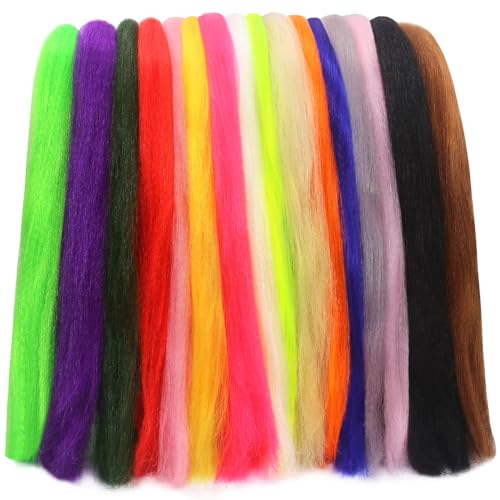
 Best for color varietyTigofly 16 Colors Synthetic Fiber Super HairView on Amazon
- 6
 Best for natural-look bucktailHareline Fly Tying Large Northern Bucktail – WhiteView on Amazon
- 7
 Best for adding legsRubber-Legs-Fly-Tying-Materials-12-Colors-Silicone-Legs-for-Fly-Tying-View on Amazon
Our Top Picks
| Product | Best for | Key feature |
|---|---|---|
| Faux Bucktail Fly Tying Materials Kit | Overall value | 12 and 16 color sets |
| XFISHMAN Fly-Tying-Kit-with-Tools-Materials | Beginners with no tools | Starter tools included |
| BBTO 60 Bags Crystal Flash Fly Tying Material | Flash accents | Large multi-color bag count |
| Deluxe Fly Tying Vise & Tools Kit | Full bench setup | Vise plus instructional book/DVD |
| Tigofly 16 Colors Synthetic Fiber Super Hair | Color variety | 16 large hanks |
| Hareline Fly Tying Large Northern Bucktail | Natural bucktail look | Single large natural-style hank |
| Rubber Legs Fly Tying Materials 12 Colors | Adding action legs | 12 embossed silicone colors |
Faux Bucktail Fly Tying Materials Kit – 16-Color Set
Faux Bucktail Fly Tying Materials Kit –12 & 16 Colors Synthetic Bucktail Hair for Fly Fishing Jig & Streamer Lure Making Making (16-Color Set)
Best for: Overall value and color coverage
This kit suits anglers who want a broad palette of synthetic hair for jigs and streamers without buying colors one at a time.
Pros
- Wide color range in a single set
- Synthetic fibers are easy to handle
Cons
- Synthetic hair differs from natural bucktail in feel and flare
XFISHMAN Fly-Tying-Kit-with-Tools-Materials
XFISHMAN Fly-Tying-Kit-with-Tools-Materials Fly-tieing-Starter-kit for Fly Fishing Lure Building jig Making Set
Best for: Beginners who need tools and materials together
A good fit for someone starting from an empty bench who wants a vise, bobbin and basic materials in one package.
Pros
- Includes the basic tools needed to start
- Materials and tools are matched for a beginner setup
Cons
- Tool quality is basic compared with a dedicated vise
BBTO 60 Bags Crystal Flash Fly Tying Material
BBTO 60 Bags Crystal Flash Fly Tying Material for Hook Lure Dry Flies Jigs | Multi Colors Flash Fibers, 300-400 Pcs per Bag, 11.81 Inch Strands, Ideal for Jig Skirts Wet Flies Nymphs Streamers Making
Best for: Flash accents in jig skirts
Useful for anglers who already have hair and need a large supply of flash to add shine to their jigs.
Pros
- Very large bag count for the price tier
- Multiple colors for matching baitfish
Cons
- Flash is an accent material, not a full hair body
Deluxe Fly Tying Vise & Tools Kit
Deluxe Fly Tying Vise & Tools Kit: Materials, Book/DVD – Fly Fishing & Jig Tying – Complete Set
Best for: A full vise and tools setup
Suits anglers who plan to tie regularly and want a vise, tools and instructional material in one kit.
Pros
- Vise and tools come together
- Includes instructional book and DVD
Cons
- Bulkier than a basic materials pack
Tigofly 16 Colors Synthetic Fiber Super Hair
Tigofly 16 Colors Synthetic Fiber Large Hank Super Hair Fly Tying Bucktail Jig Lure Making Materials (16 Colors)
Best for: Color variety in large hanks
A practical choice for tiers who want big hanks in many colors to cover different water and light conditions.
Pros
- Sixteen colors in large hanks
- Good volume for multiple jigs
Cons
- Synthetic texture will not match natural bucktail exactly
Hareline Fly Tying Large Northern Bucktail – White
Hareline Fly Tying Large Northern Bucktail – White
Best for: A natural bucktail look
Aimed at anglers who prefer traditional natural hair for its taper and breathing action in the water.
Pros
- Natural hair with traditional feel
- Large size suits bigger jigs
Cons
- Single color limits pattern options
Buying Guide
Kit Scope: Materials Only or a Full Tying Setup
Start by deciding whether you already own a vise, bobbin and scissors. Materials-only packs like the bucktail hair and flash sets are the right pick if you have tools, while starter kits with a vise and tools make more sense if you are building a bench from scratch.
Look at whether the kit includes instructional material. A book or DVD can shorten the learning curve for someone tying their first bucktail jig.
Hair Type and Length
Bucktail jigs depend on the hair, so pay attention to whether the listing describes natural or synthetic fibers. Synthetic hair is often easier to work with for beginners and holds its shape well, while natural bucktail has a traditional look that many saltwater anglers still prefer.
Check the length of the hair as well. Longer hair suits larger jigs for bigger species, while shorter fibers are better for smaller jigs and panfish.
Color Range and Variety
A wider color selection gives you more options for matching local baitfish and changing water conditions. Sets with a dozen or more colors let you experiment without buying additional packs right away.
If you already have a favorite pattern, a single color of large natural hair may be all you need. Stock up on the colors you use most rather than paying for a range you will not touch.
Quantity and Value per Pack
Compare how much material you actually get. Bulk packs with many bags or hanks can last a long time, which matters if you plan to tie regularly or give jigs away.
Smaller sets are a good way to test the hobby before committing. Think about how many jigs you expect to tie in a season and buy enough material to cover that without large surplus.
Beginner Friendliness
If you are new to tying, look for kits with clear organization, easy-to-handle materials and tools that suit a basic bench. Materials that do not tangle or shed excessively will make the early jigs far less frustrating.
Consider your skill level honestly. Advanced sets with specialty materials like embossed silicone are useful once you are comfortable with the basics, but they may overwhelm someone tying their first few jigs.
FAQ
Do I need a vise to tie bucktail jigs?
A vise is strongly recommended because it holds the hook steady while you wrap and tie the hair. Some anglers manage with a simpler clamp, but a dedicated vise makes the process more consistent and less tiring.
Is synthetic hair as good as natural bucktail?
Synthetic hair is widely used and performs well for many anglers, especially those who want easy handling and a broad color range. Natural bucktail is still preferred by some for its traditional action in saltwater, so the choice often comes down to personal preference.
Which hook size should I start with?
Choose a hook size that matches the species and baitfish you plan to target. Smaller hooks suit panfish and trout, while larger hooks are better for bass and saltwater species.
Can beginners learn from a kit with no instructions?
It is possible, but harder. Kits that include a book or DVD give step-by-step guidance on wrapping, hair placement and finishing, which speeds up learning considerably.
How much material do I need for a first batch of jigs?
A single pack of hair and a small assortment of flash or accent materials is usually enough for a first batch of jigs. As you gain confidence, you can add colors and bulk materials to match your fishing needs.
Conclusion
If you are a beginner who wants a complete setup, a starter kit with a vise and tools is the most practical choice, especially one that includes instructional material. Anglers who already have their tools and just need quality hair should look at the color sets or single-color bulk packs that fit the species they chase.
Saltwater anglers building jigs for larger species will get the most value from longer, durable hair in colors that match local forage. Inshore and panfish tyers can save money by choosing smaller packs and focusing on the materials that suit their lighter jigs.
Related reading
- Tying a Bucktail Jig: A Step-by-Step Guide for Saltwater Anglers
- Bucktail Jig Tying Tips: How to Tie a Durable, Better-Swimming Jig
- What Will a Bucktail Jig Catch? Species, Sizes and Best Uses
- What Size Bucktail Jig for Stripers: A Practical Guide by Water Type
- What Can You Catch with a Bucktail Jig? Species and Tips
- Walleye Bucktail Jig Colors: How to Pick the Right One by Water and Light
About Audrey Hayes
Audrey Hayes is part of our editorial team and reviews and edits our saltwater fishing guides, checking product details against manufacturer specifications and owner feedback.
About the author
Audrey Hayes writes reviews and buying guides for Saltwater Fishing.